✓ Plant-based diets are linked to lower risks of heart disease, type 2 diabetes, and certain cancers.
✓ They typically provide more fiber, vitamins, and minerals than omnivorous diets.
✓ Adopting a plant-based diet can significantly reduce your environmental footprint.
✓ Many athletes and health enthusiasts report improved energy and recovery on a plant-based diet.
How It Works
1
Embrace Whole Foods
Focus on consuming unprocessed fruits, vegetables, grains, legumes, nuts, and seeds. These nutrient-dense foods are the cornerstone of a healthy plant-based diet.
2
Gradual Transition
You don't have to go all-in overnight. Start by incorporating more plant-based meals each week and slowly reduce animal products at your own pace.
3
Explore New Recipes
Discover the incredible diversity of plant-based cuisine. Experiment with different spices, cooking methods, and ingredients to keep meals exciting and flavorful.
4
Educate Yourself
Learn about essential nutrients like B12, iron, and omega-3s to ensure a well-rounded diet. Consulting with a dietitian can also provide personalized guidance.
Unveiling the Health Benefits of Eating Plant Based Diet
Photo: Alena Darmel / Pexels
The decision to embrace a plant-based diet is often driven by a desire for improved health, and for good reason. The scientific community has extensively researched the profound positive impacts of a diet rich in plant-derived foods, revealing a compelling array of benefits that touch nearly every aspect of human well-being. One of the most significant advantages is the dramatic reduction in the risk of chronic diseases. For instance, countless studies demonstrate a strong correlation between plant-based eating patterns and a lower incidence of cardiovascular disease. This is attributed to several factors inherent in such diets: they are typically lower in saturated fat and cholesterol, which are known contributors to plaque buildup in arteries. Conversely, they are abundant in fiber, antioxidants, and anti-inflammatory compounds that actively protect the heart and blood vessels. Fiber, in particular, plays a crucial role in managing cholesterol levels and promoting healthy blood pressure. Learn more about fiber-rich foods and their impact on cardiovascular health.
Beyond heart health, plant-based diets are highly effective in preventing and managing type 2 diabetes. The high fiber content helps regulate blood sugar levels, preventing the sharp spikes and crashes associated with insulin resistance. Furthermore, the emphasis on whole, unprocessed foods means a lower intake of refined sugars and starches, which are primary culprits in the development of diabetes. Many individuals with pre-diabetes have successfully reversed their condition by adopting a plant-centric eating style, and those with established type 2 diabetes often find they can reduce or even eliminate their need for medication under medical supervision.
Another critical area where plant-based diets shine is in cancer prevention. The wealth of antioxidants, phytochemicals, and vitamins found in fruits, vegetables, and legumes offers robust cellular protection against oxidative damage and inflammation, both of which are implicated in cancer development. Specific compounds, such as sulforaphane in cruciferous vegetables or lycopene in tomatoes, have been extensively studied for their anti-cancer properties. By reducing inflammation, supporting healthy cell function, and promoting detoxification, a plant-based diet creates an internal environment less hospitable to cancer growth. This protective effect extends across various cancer types, including colorectal, breast, and prostate cancers. The cumulative effect of these health advantages makes a plant-based diet not just a dietary choice, but a powerful preventative health strategy, offering a pathway to a longer, healthier, and more vibrant life.
Environmental and Ethical Imperatives: Beyond Personal Health
Photo: Nothing Ahead / Pexels
While the personal health benefits are undeniably compelling, the advantages of eating a plant-based diet extend far beyond individual well-being, touching upon critical environmental and ethical considerations. The way we produce food has a profound impact on the planet, and animal agriculture, in particular, is a major contributor to several pressing environmental crises. One of the most significant environmental benefits of shifting towards plant-based eating is the drastic reduction in greenhouse gas emissions. Livestock farming generates substantial amounts of methane and nitrous oxide, potent greenhouse gases that contribute more to global warming than carbon dioxide over shorter timeframes. By choosing plant-based foods, individuals can significantly lower their personal carbon footprint, directly contributing to efforts to combat climate change.
Water conservation is another critical area. Animal agriculture is incredibly water-intensive. Producing just one pound of beef, for example, can require thousands of gallons of water, far more than what is needed for an equivalent amount of plant-based protein like lentils or beans. As freshwater resources become increasingly scarce globally, opting for a diet that demands less water is a responsible and sustainable choice. Similarly, land use is a major concern. Vast expanses of land are cleared for grazing livestock and cultivating feed crops, leading to deforestation, habitat destruction, and biodiversity loss. The Amazon rainforest, for instance, is continuously being cleared primarily for cattle ranching and soy cultivation (much of which is used for animal feed). A plant-based diet requires significantly less land, freeing up vital ecosystems to thrive and absorb carbon.
From an ethical standpoint, many individuals choose a plant-based diet out of concern for animal welfare. The industrial scale of modern animal farming often involves practices that are seen as inhumane, with animals kept in crowded, unsanitary conditions and subjected to procedures that cause distress. By abstaining from animal products, individuals can align their dietary choices with their moral convictions, opting out of a system they believe causes unnecessary suffering. This ethical stance is a powerful motivator for many, transforming their diet into a statement of compassion and respect for all living beings. The combined environmental and ethical arguments underscore that embracing a plant-based diet is not just a personal health decision, but a conscientious choice with far-reaching positive implications for the planet and its inhabitants.
Weight Management and Enhanced Energy: The Plant-Powered Difference
Photo: Miguel Á. Padriñán / Pexels
For many, weight management is a constant struggle, and traditional diets often feel restrictive and unsustainable. This is where the benefits of eating plant based diet truly shine, offering a natural and often effortless path to achieving and maintaining a healthy weight. Plant-based diets are typically lower in calories and fat, but significantly higher in fiber. Fiber is a game-changer for weight loss; it adds bulk to meals without adding extra calories, promoting satiety and helping you feel full for longer. This natural fullness reduces the likelihood of overeating and snacking on unhealthy foods, making calorie management much simpler. Furthermore, the high water content in fruits and vegetables also contributes to a feeling of fullness, aiding in appetite control. Studies consistently show that individuals who adopt plant-based diets tend to have a lower body mass index (BMI) and are less prone to obesity compared to their omnivorous counterparts. The focus on whole, unprocessed foods naturally eliminates many of the calorie-dense, nutrient-poor items that contribute to weight gain, such as processed meats, sugary drinks, and refined snacks. Explore healthy plant-based recipes for weight loss and discover delicious ways to fuel your body.
Beyond weight management, a common experience reported by those transitioning to a plant-based diet is a significant boost in energy levels. This surge in vitality can be attributed to several factors. Firstly, the abundance of complex carbohydrates found in whole grains, legumes, and starchy vegetables provides a steady and sustained release of energy, avoiding the energy crashes often associated with diets high in refined sugars and fats. These complex carbs are the body's preferred fuel source, ensuring consistent energy throughout the day. Secondly, the anti-inflammatory properties of a plant-based diet play a crucial role. Chronic inflammation can drain energy and contribute to feelings of fatigue. By reducing inflammatory foods and increasing antioxidant-rich plants, the body can function more efficiently, allocating energy towards vitality rather than fighting inflammation.
Moreover, the improved gut health fostered by a high-fiber plant-based diet also contributes to enhanced energy. A healthy gut microbiome is linked to better nutrient absorption and even mood regulation, both of which can impact perceived energy levels. When your digestive system is working optimally, your body can more effectively extract the nutrients it needs to power your cells and organs. Many plant-based eaters report feeling lighter, more alert, and less sluggish after meals, a stark contrast to the heavy, energy-draining feeling that can follow meals high in animal products and processed ingredients. This combination of effective weight management and sustained energy makes a plant-based diet an attractive and highly effective choice for anyone looking to optimize their physical performance and overall zest for life.
Practical Tips for Embracing a Plant-Based Diet
Photo: Ella Olsson / Pexels
Transitioning to a plant-based diet, while incredibly rewarding, can seem daunting at first. However, with a few practical tips and a mindful approach, you can make the shift smoothly and sustainably. One of the most crucial pieces of advice is to start gradually. Don't feel pressured to go completely plant-based overnight. Begin by incorporating one or two plant-based meals into your week, like 'Meatless Mondays,' and then slowly increase the frequency. This allows your taste buds to adapt, and your body to adjust, making the transition feel less restrictive and more enjoyable.
Another key tip is to focus on what you can add to your diet, rather than what you're taking away. Explore the vast and exciting world of plant-based ingredients: a rainbow of fruits and vegetables, hearty whole grains like quinoa and farro, diverse legumes such as lentils and chickpeas, and an assortment of nuts and seeds. Experiment with new recipes and cuisines. Ethiopian, Indian, Mexican, and Mediterranean cuisines, for example, offer a plethora of naturally plant-based and incredibly flavorful dishes. Don't be afraid to try new spices and cooking techniques to keep your meals exciting and prevent boredom.
**Common Mistakes to Avoid:**
* **Not planning meals:** Without a plan, it's easy to fall back on old habits or grab unhealthy convenience foods. Meal prepping can be a lifesaver.
* **Relying on highly processed vegan junk food:** While convenient, many vegan processed foods are high in sodium, sugar, and unhealthy fats. Focus on whole, unprocessed plant foods.
* **Neglecting essential nutrients:** Pay attention to vitamin B12 (often requires supplementation), iron, calcium, vitamin D, and omega-3 fatty acids. Ensure a varied diet and consider fortified foods or supplements where necessary.
* **Not eating enough:** Plant-based foods are often lower in calories, so you might need to eat larger portions or incorporate calorie-dense plant foods like nuts, seeds, and avocados to feel satisfied and meet your energy needs.
* **Being too strict:** Allow for flexibility and don't beat yourself up over occasional slip-ups. Consistency over perfection is key to long-term success.
Comparison
Feature
Whole Food Plant-Based Diet
Standard American Diet (SAD)
Mediterranean Diet
Fiber Content
Very High
Low
Moderate to High
Saturated Fat
Very Low
High
Moderate
Cholesterol
None
High
Low to Moderate
Environmental Impact
Very Low
High
Moderate
Chronic Disease Risk Reduction
✓
✗
✓
What Readers Say
★★★★★
"Since adopting a plant-based diet, my energy levels have soared, and I've shed those stubborn extra pounds without feeling deprived. It's truly transformed my relationship with food and my overall health."
Sarah J. · Austin, TX
★★★★★
"I started eating plant-based to lower my cholesterol, and within six months, my doctor was amazed at my numbers. I also feel much lighter and have better digestion than ever before. This diet really works!"
Mark D. · Seattle, WA
★★★★★
"After struggling with chronic inflammation for years, switching to a plant-based diet made a remarkable difference. My joint pain has significantly decreased, and I wake up feeling much more refreshed. It's been a game-changer for my quality of life."
Emily R. · Denver, CO
★★★★★
"While it took some adjustment to find good plant-based protein sources, the benefits are undeniable. My skin looks clearer, and I rarely get sick now. It's a journey, but definitely worth the effort for improved health."
David L. · Miami, FL
★★★★★
"As an athlete, I was initially worried about performance, but eating plant-based has actually boosted my recovery and endurance. I feel stronger and more resilient, proving you don't need meat to build muscle and excel."
Jessica T. · Chicago, IL
Frequently Asked Questions
What are the primary benefits of eating plant based diet for overall health?
The primary benefits include a significantly reduced risk of heart disease, type 2 diabetes, certain cancers, and obesity. Plant-based diets are rich in fiber, vitamins, minerals, and antioxidants, which support cardiovascular health, stabilize blood sugar, and reduce inflammation throughout the body, leading to improved longevity and vitality.
Is it difficult to get enough protein on a plant-based diet?
No, it is generally not difficult to get enough protein on a well-planned plant-based diet. Many plant foods are excellent sources of protein, including legumes (beans, lentils, chickpeas), tofu, tempeh, edamame, nuts, seeds, and whole grains like quinoa. A varied diet of these foods can easily meet daily protein requirements.
How do I start transitioning to a plant-based diet without feeling overwhelmed?
Start by making gradual changes. Begin with 'Meatless Mondays' or replace one meal a day with a plant-based option. Focus on incorporating more fruits, vegetables, whole grains, and legumes into your current meals. Experiment with new recipes, find plant-based alternatives for your favorite dishes, and slowly reduce animal products at your own comfortable pace.
Does eating a plant-based diet save money?
Yes, a whole-food plant-based diet can be very cost-effective. Staple plant-based foods like beans, lentils, rice, pasta, and seasonal vegetables are typically much cheaper per serving than meat, dairy, and highly processed foods. While some specialty vegan products can be pricey, focusing on whole, unprocessed ingredients keeps costs down.
How does a plant-based diet compare to a vegetarian or vegan diet?
A plant-based diet emphasizes whole, unprocessed plant foods, while minimizing or excluding animal products. A vegetarian diet excludes meat, poultry, and fish but may include dairy and eggs. A vegan diet strictly excludes all animal products, including meat, dairy, eggs, and honey. A whole-food plant-based diet is often a subset of veganism, with a stronger focus on natural, minimally processed foods.
Who should consider adopting the benefits of eating plant based diet?
Anyone looking to improve their health, manage weight, reduce their environmental footprint, or align their diet with ethical concerns for animal welfare should consider adopting a plant-based diet. It's suitable for most individuals, though specific nutritional needs should be discussed with a healthcare professional or registered dietitian.
Are there any nutritional deficiencies to be aware of when eating plant based?
While a well-planned plant-based diet is nutritionally complete, certain nutrients require attention. Vitamin B12 is the most crucial, typically requiring supplementation as it's primarily found in animal products. Others to monitor include iron (consume with Vitamin C for absorption), calcium, Vitamin D, iodine, and Omega-3 fatty acids (from flax, chia, hemp seeds, or algae supplements).
What are the future trends in plant-based eating?
Future trends include continued innovation in plant-based meats and dairy alternatives that more closely mimic traditional products, a growing focus on sustainable and regenerative plant agriculture, increased availability of plant-based options in restaurants and food services, and a greater emphasis on personalized plant-based nutrition plans tailored to individual health needs and genetics.
Ready to experience the incredible benefits of eating a plant-based diet for yourself? Start your journey today by exploring delicious recipes, discovering new ingredients, and embracing a lifestyle that nourishes both you and the planet. Your future self will thank you!
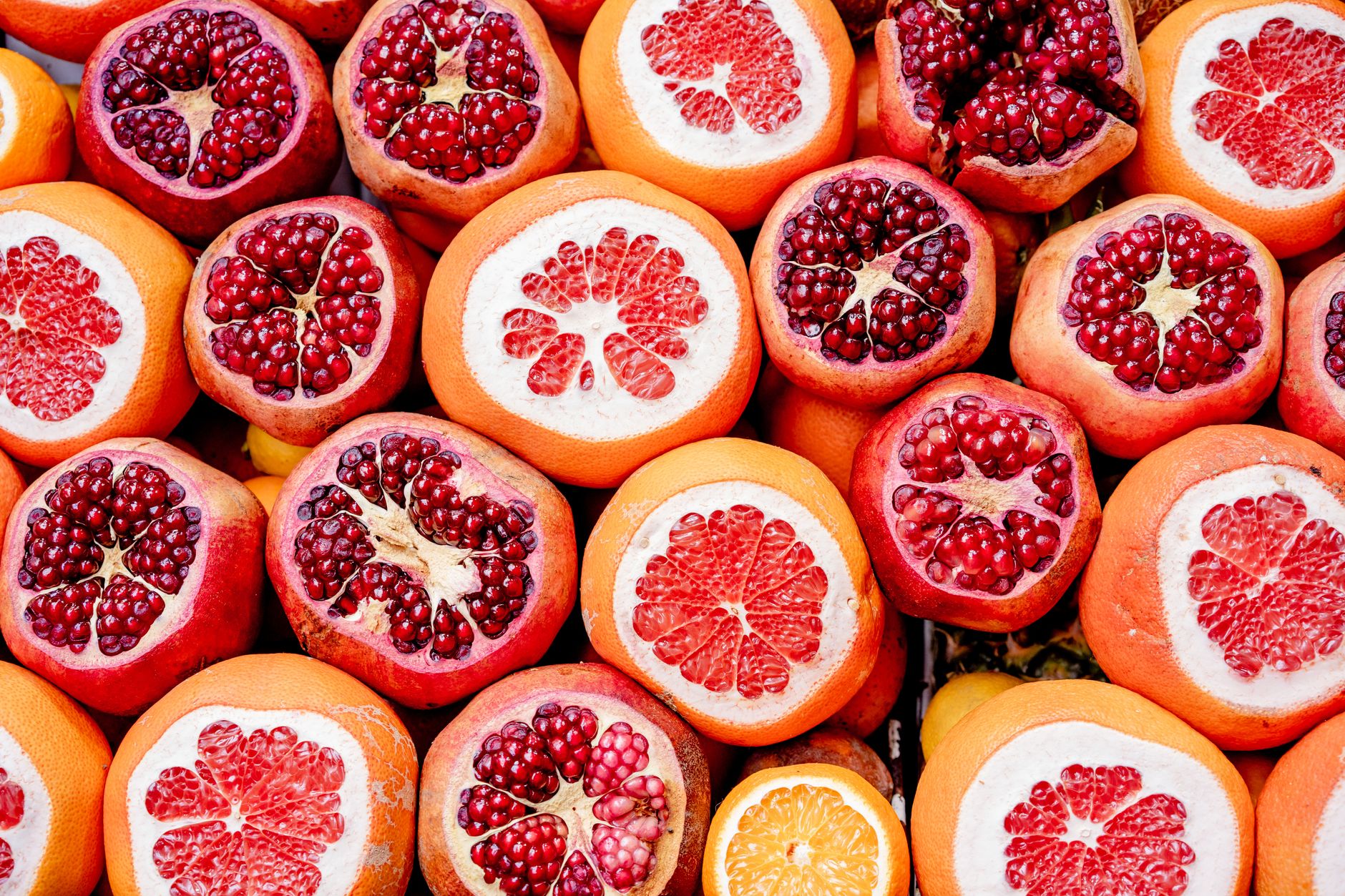
 Photo: Alena Darmel / Pexels
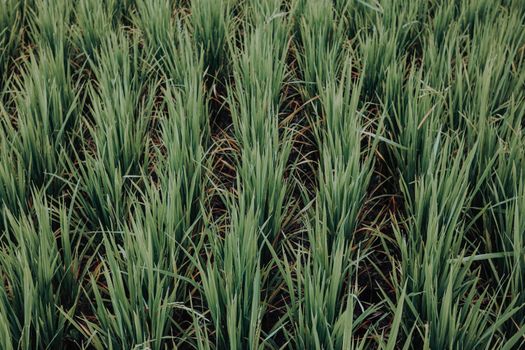 Photo: Nothing Ahead / Pexels
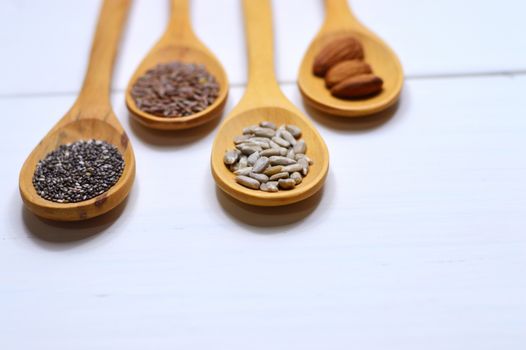 Photo: Miguel Á. Padriñán / Pexels
 Photo: Ella Olsson / Pexels