✓ High-powered motors (1000W+) are crucial for smooth results in both smoothies and soups.
✓ Variable speed control and pre-set programs offer versatility for different textures.
✓ Tamper accessories are essential for processing thick ingredients and achieving consistent blends.
✓ Self-cleaning functions and dishwasher-safe components simplify post-blending cleanup.
How It Works
1
Load Ingredients
Place solid ingredients first, then liquids, ensuring the blender isn't overfilled. This allows the blades to pull ingredients down effectively.
2
Select Setting
Choose a specific 'smoothie' or 'soup' preset if available, or start on a low speed and gradually increase. This prevents splashing and ensures thorough blending.
3
Blend to Perfection
Blend until the desired consistency is achieved, using the tamper for thick mixtures. Listen to the motor and observe the texture for optimal results.
4
Serve & Clean
Pour out your delicious creation and promptly clean the blender. Many modern blenders offer self-cleaning cycles for convenience.
Understanding Blender Power: Why Watts Matter for Smoothies and Soups
Photo: Atlantic Ambience / Pexels
When it comes to crafting the perfect smoothie or a velvety-smooth soup, the blender's motor power is arguably the most critical factor. Measured in watts, this power directly translates to the blade's ability to pulverize, emulsify, and liquefy ingredients. For both smoothies and hot soups, you're looking for a blender with a robust motor, typically 1000 watts or higher, with premium models often exceeding 1500 or even 2000 watts. This isn't just about speed; it's about efficiency and effectiveness. A high-wattage motor can break down tough fibrous fruits and vegetables, ice, and frozen ingredients in smoothies, preventing chunky, unappetizing results. It ensures that every seed, skin, and fibrous strand is thoroughly processed, yielding a consistently smooth, creamy texture that's a joy to drink or eat. Without sufficient power, you'll find yourself blending for longer periods, potentially overheating the motor, and still ending up with an inconsistent blend.
For soups, especially those requiring a silky-smooth finish like a bisque or cream of mushroom, a powerful motor is indispensable. It can handle hot liquids and dense cooked vegetables, transforming them into a uniform, lump-free consistency. Some high-end blenders even generate enough friction from their powerful blades to heat cold ingredients into hot soup in minutes – a truly remarkable feature that showcases the sheer force these motors possess. This capability not only saves you time but also reduces the number of pots and pans you need to clean, streamlining your cooking process. Beyond raw power, the quality of the motor also dictates its durability and longevity. Cheaper blenders might boast high wattage but often use less robust components, leading to quicker wear and tear. Investing in a blender with a well-engineered, high-performance motor from a reputable brand ensures consistent results for years to come. Look for blenders that specify 'peak horsepower' in addition to watts, as this can give a more complete picture of the motor's capabilities under load. It's the difference between a blender that struggles with a handful of ice and one that effortlessly crushes a full pitcher of frozen fruit. Understanding this fundamental aspect of blender technology is the first step in choosing the best kitchen appliance for your smoothie and soup needs, ensuring every blend is a masterpiece of texture and flavor.
Blade Design, Jar Material, and Specialized Settings for Optimal Blending
Photo: cottonbro studio / Pexels
Beyond motor power, the design of the blades, the material of the blending jar, and the availability of specialized settings significantly impact a blender's performance for both smoothies and soups. Blade design is not a one-size-fits-all concept. High-performance blenders typically feature robust, aircraft-grade stainless steel blades that are designed for both cutting and pulverizing. Some blenders incorporate a multi-wing or asymmetrical blade system, engineered to create a powerful vortex that continuously pulls ingredients down into the blades, ensuring an even and thorough blend. For smoothies, sharp, durable blades are paramount for breaking down ice, frozen fruits, and tough greens into a liquid consistency. For soups, these same blades excel at emulsifying cooked vegetables and liquids into a smooth, creamy texture without leaving any fibrous remnants. The combination of blade sharpness, angle, and the overall blade assembly determines how efficiently the blender can process a wide range of ingredients.
Jar material is another crucial consideration. The most common materials are BPA-free plastic (Tritan is a popular, durable choice) and glass. While glass jars are heavier and more aesthetically pleasing, they can be prone to breaking and are not always ideal for the temperature extremes of hot soups. High-quality plastic jars, especially those made from Tritan, are lightweight, shatter-resistant, and can withstand both very cold and very hot temperatures without cracking or leaching chemicals. For blending hot soups, ensuring the jar is designed for heat resistance is critical for safety and durability. Look for explicit mentions of 'heat-resistant' or 'suitable for hot liquids' in the product specifications. The capacity of the jar is also important; consider your typical batch size for smoothies and soups. A 48-64 ounce jar is generally versatile for most households.
Specialized settings and programs are where many modern blenders truly shine. Dedicated 'smoothie' and 'soup' presets take the guesswork out of blending. A smoothie program typically cycles through varying speeds and pulses to achieve an optimal creamy consistency, while a soup program might run at a high speed for several minutes, often generating enough friction to heat the soup from cold ingredients. Variable speed control is also highly beneficial, allowing you to fine-tune the texture from a chunky salsa to a perfectly smooth puree. Pulse functions provide quick bursts of power, ideal for chopping or mixing without over-processing. Some advanced models even feature smart technology that can detect the load and adjust blending time and speed accordingly. These thoughtful features enhance the user experience, making it easier and more efficient to create a wide array of recipes. When evaluating the best blenders for smoothies and soups, a holistic view of these features will guide you to a model that not only meets but exceeds your culinary expectations.
Top Blender Brands and Models for Smoothies and Soups: A Detailed Look
Photo: Ludovic Delot / Pexels
Navigating the vast landscape of blender brands and models can be daunting, but a few stand out consistently for their performance, durability, and versatility, especially when it comes to tackling both smoothies and soups. Vitamix and Blendtec are often considered the gold standard in high-performance blending. Vitamix blenders, renowned for their robust motors (often 2-2.2 peak horsepower), precision-engineered blades, and durable Tritan containers, consistently produce incredibly smooth textures. Models like the Vitamix 5200 or the Explorian E310 are workhorses, excelling at everything from pulverizing ice for smoothies to heating soup through friction. Their variable speed control allows for unparalleled texture customization, and the included tamper is invaluable for thick mixtures. While a significant investment, Vitamix blenders are built to last, often coming with generous warranties, making them a favorite among professional chefs and serious home cooks alike.
Blendtec blenders offer a compelling alternative, known for their powerful motors (often 3 peak horsepower), unique blunt safety blades that are stronger than traditional sharp blades, and intuitive pre-programmed cycles. The Blendtec Designer series or Total Classic model can effortlessly turn ice into snow and blend hot ingredients into smooth soups with ease. Their five-sided jars are designed to create a powerful blending vortex, pulling ingredients down efficiently. Blendtec's 'WildSide+' jar is particularly popular for its larger capacity and ability to handle bigger batches. Both Vitamix and Blendtec are premium brands that deliver exceptional results for anyone serious about their blending needs, offering a blend of power, precision, and reliability that justifies their higher price point.
For those seeking excellent performance at a slightly more accessible price point, Ninja blenders have emerged as strong contenders. Models like the Ninja Foodi Power Pitcher System or the Ninja Professional Plus Blender with Auto-iQ offer powerful motors (often 1200-1400 watts), robust blade assemblies, and intelligent pre-set programs for smoothies and purees. While they might not always achieve the absolute silkiest texture of a Vitamix for every single ingredient, they are more than capable of handling daily smoothie routines and creating perfectly smooth soups. Their stacked blade design is particularly effective for large batches and crushing ice. Many Ninja systems also come with personal blender cups, adding to their versatility for on-the-go smoothies.
KitchenAid blenders, while perhaps not as singularly focused on high-speed blending as Vitamix or Blendtec, offer stylish designs and reliable performance, with some models like the K400 or K150 series providing sufficient power and features for most home cooks. They often feature robust die-cast metal bases and intelligent speed sensors. Lastly, for an entry-level option that still delivers respectable performance for occasional use, brands like Oster or Hamilton Beach offer budget-friendly blenders. While they might lack the sheer power and advanced features of the premium brands, they can still produce decent smoothies and basic pureed soups. When making your final decision, consider your budget, frequency of use, desired texture, and any specific features like self-cleaning or personal blending cups that are important to your lifestyle. Choosing one of these top-rated kitchen gadgets will significantly upgrade your culinary capabilities.
Tips for Perfect Smoothies and Velvety Soups, and Common Blender Mistakes to Avoid
Photo: cottonbro studio / Pexels
Achieving consistently perfect smoothies and velvety soups requires more than just a good blender; it also involves smart blending techniques and avoiding common pitfalls. For smoothies, always add liquids first. This creates a vortex that helps pull solid ingredients down into the blades, preventing air pockets and ensuring an even blend. Layer softer ingredients next, followed by leafy greens, then frozen fruits and ice on top. If your smoothie is too thick, add more liquid gradually. If it's too thin, add more frozen fruit or a scoop of chia seeds or oats. Don't be afraid to use the tamper if your blender has one; it's designed to push ingredients towards the blades without interfering with them, especially useful for thick mixtures like nut butter or frozen desserts. Over-blending can sometimes make smoothies warm and less palatable, so blend just until smooth.
When it comes to soups, always ensure hot ingredients have cooled slightly before adding them to a blender, unless your blender specifically states it's designed for hot liquids and has a vented lid. Blending extremely hot liquids in a sealed container can build up pressure, leading to dangerous explosions. Fill the blender jar no more than halfway for hot liquids. Use the pulse function initially to break down larger pieces, then gradually increase to a higher speed. For the smoothest soups, blend for several minutes until the desired consistency is achieved. If your blender heats soup through friction, follow the manufacturer's recommended blending times. Always remove the center cap of the lid and cover the opening with a kitchen towel when blending hot liquids to allow steam to escape safely.
Common blender mistakes to avoid include:
* **Overfilling the Jar:** This can strain the motor, lead to spills, and result in uneven blending. Always stay below the maximum fill line.
* **Not Adding Enough Liquid:** For smoothies, insufficient liquid means the blades struggle to move ingredients, leading to chunky results and potential motor strain. For soups, it can prevent proper emulsification.
* **Ignoring the Tamper:** If your blender came with one, use it! It's an indispensable tool for achieving smooth results with thick mixtures without adding extra liquid.
* **Blending Hot Liquids in a Non-Vented Jar:** As mentioned, this is a safety hazard. Always use a vented lid or cool ingredients first.
* **Not Cleaning Immediately:** Food residues can dry and harden, making cleanup much more difficult. Most blenders have a self-clean function (warm water + a drop of soap, blend for 30 seconds), or simply rinse thoroughly right after use.
* **Using Dull Blades:** While not a common issue with high-end blenders, if your blades feel dull or are chipped, they won't perform optimally. Check manufacturer recommendations for blade maintenance or replacement.
By following these tips and avoiding common errors, you'll consistently produce delicious, perfectly textured smoothies and soups, making your blender an even more valuable tool in your kitchen.
Comparison
Feature
Vitamix Explorian E310
Blendtec Classic 575
Ninja Foodi Power Pitcher System
Motor Power (Peak HP/Watts)
2.0 HP (approx 1500W)
3.0 HP (approx 2200W)
1400 Watts
Jar Capacity
48 oz (Tritan)
75 oz (WildSide+ Tritan)
72 oz (Pitcher), 24 oz (Cup)
Variable Speed Control
✓
✓
✗ (Presets + Pulse)
Pre-set Programs
✗ (Manual control)
✓ (Smoothie, Clean, 60s, 90s)
✓ (Smoothie, Extract, Bowl, Chop, Dough)
Tamper Included
✓
✗
✗ (Power Paddle for Bowl)
Hot Soup Capable (Friction Heat)
✓
✓
✗
Price Range
$$$
$$$
$$
What Readers Say
★★★★★
"My Vitamix has completely transformed my mornings! Silky smooth green smoothies every single day, and I've even made hot, creamy tomato soup right in the blender. It's an absolute powerhouse and worth every penny."
Sarah J. · Austin, TX
★★★★★
"I bought a Blendtec specifically for meal prepping protein shakes and large batches of vegetable soup. The power is incredible, and the preset buttons make it so easy to get consistent results without guessing. Cleanup is a breeze too."
David L. · Seattle, WA
★★★★★
"After years of struggling with cheap blenders, I invested in a Ninja Foodi Power Pitcher System. My smoothies are finally lump-free, and I can make delicious, hearty pureed soups for my family in minutes. It's changed how I cook!"
Emily R. · Miami, FL
★★★★★
"My KitchenAid blender is beautiful on the counter and does a great job with most smoothies and cold soups. It handles ice well, but for really hot, thick soups, I do find myself wishing for a bit more raw power like the commercial models."
Mark T. · Denver, CO
★★★★★
"As a busy mom, I needed a blender that could do it all quickly. My Vitamix makes perfect baby food purees, my morning smoothie, and even heats up butternut squash soup for dinner. It's incredibly versatile and durable."
Jessica M. · Chicago, IL
Frequently Asked Questions
What is the most important feature to look for in blenders for smoothies and soups?
The most crucial feature is a powerful motor, typically 1000 watts or higher, as it ensures efficient blending of tough ingredients for smoothies and thorough emulsification for soups. High-quality blades and a durable, heat-resistant jar are also essential.
Are high-speed blenders safe for hot soup?
Yes, many high-speed blenders are designed to handle hot liquids. Look for models with vented lids to allow steam to escape and jars made from heat-resistant materials like Tritan. Always fill the jar no more than halfway when blending hot ingredients.
How do I make my smoothies perfectly smooth and lump-free?
For perfectly smooth smoothies, add liquids first, then soft ingredients, leafy greens, and finally frozen fruits and ice. Use a powerful blender, and if your model has a tamper, use it to push ingredients into the blades for an even blend. Don't be afraid to blend for a minute or two.
How much should I expect to spend on a good blender for both smoothies and soups?
You can expect to spend anywhere from $150-$250 for a good mid-range blender that handles both well, while premium, high-performance blenders like Vitamix or Blendtec can range from $350 to $600 or more. The investment often reflects durability, power, and versatility.
What's the difference between a smoothie blender and a soup blender?
While many blenders can do both, dedicated 'smoothie' blenders prioritize breaking down ice and frozen fruit. 'Soup' blenders, especially high-end ones, often have the power to generate friction heat, turning cold ingredients into hot soup, and require heat-resistant jars and vented lids. Blenders that excel at both offer the best of both worlds.
Who should invest in a high-end blender for smoothies and soups?
Anyone who regularly makes smoothies, pureed soups, or other blended creations will benefit significantly. This includes health enthusiasts, busy individuals looking for quick meal solutions, families with young children needing purees, and home cooks who appreciate culinary versatility and professional-grade results.
Can I put whole fruits and vegetables in these blenders?
Yes, high-powered blenders are designed to handle whole fruits and vegetables, including skins and seeds (for many fruits). For very large or tough items, it's still advisable to chop them into smaller pieces to ease the blending process and prolong your blender's life.
What are the emerging trends in blender technology for smoothies and soups?
Emerging trends include smarter blenders with advanced sensors that detect ingredient consistency and adjust blending cycles automatically, quieter motor technologies, more compact yet powerful designs, and enhanced connectivity with recipe apps for guided blending experiences.
Choosing the best blenders for smoothies and soups means investing in health, convenience, and culinary creativity. With the right blender, you'll unlock a world of delicious possibilities, transforming your kitchen experience. Don't wait – find your perfect blending companion today and start savoring perfectly smooth creations!
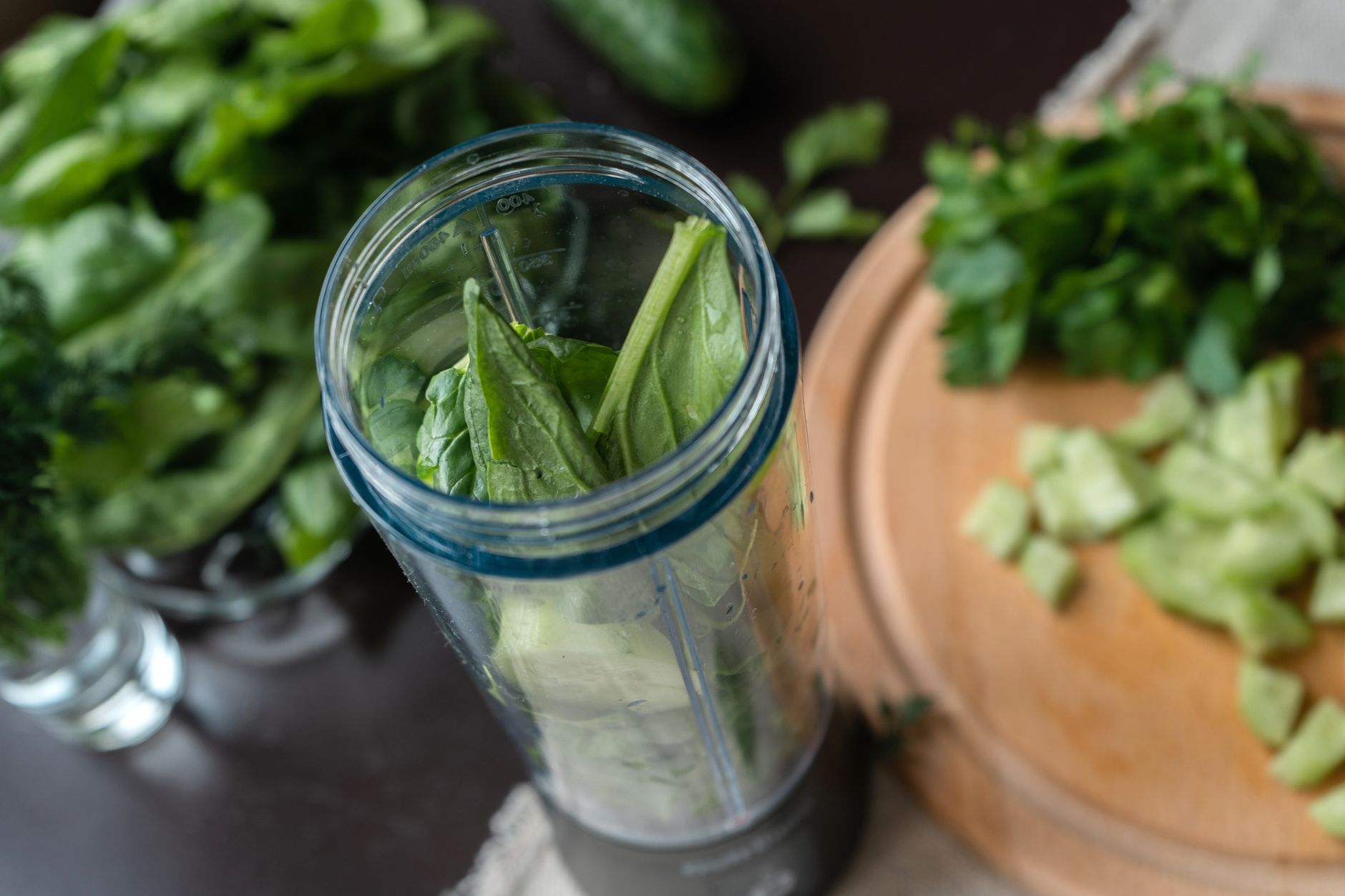
 Photo: Atlantic Ambience / Pexels
 Photo: cottonbro studio / Pexels
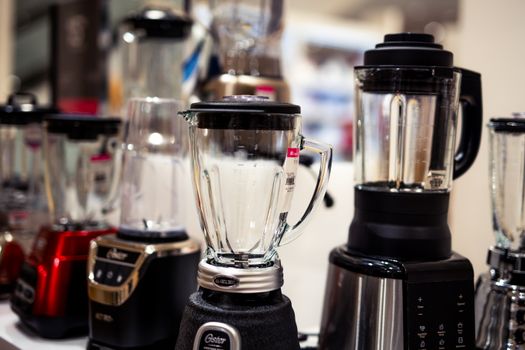 Photo: Ludovic Delot / Pexels