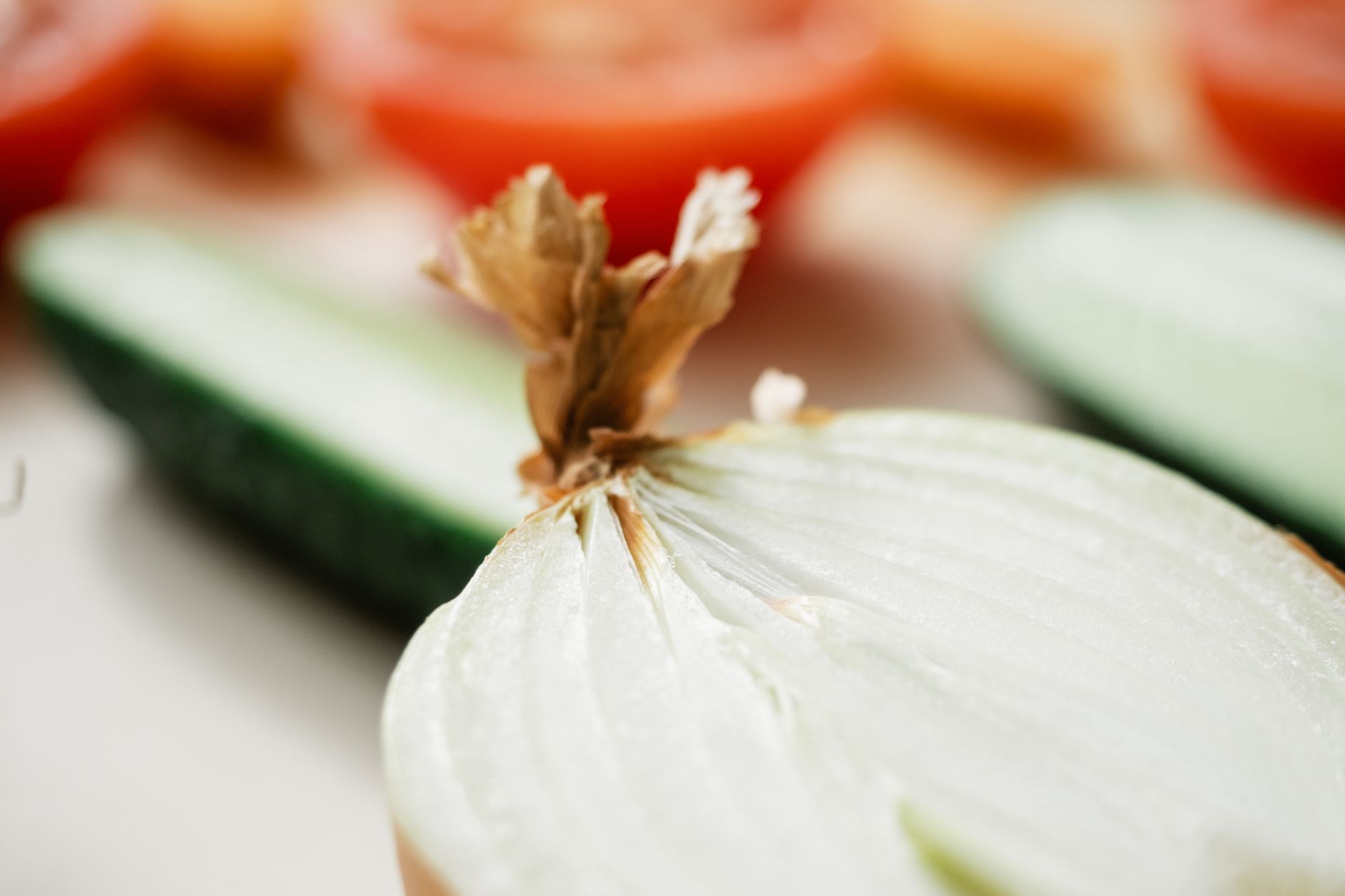
The Core Difference Between Organic and Conventional Food
Dive deep into the distinctions between organic and conventional food, empowering you to make healthier, more informed purchasing decisions.
Learn More NowKey Takeaways
- ✓ Organic farming prohibits synthetic pesticides, herbicides, and fertilizers.
- ✓ Conventional farming often uses synthetic chemicals to maximize yield and control pests.
- ✓ Organic livestock must be fed organic feed, have access to the outdoors, and are not given antibiotics or growth hormones.
- ✓ Both organic and conventional foods are regulated for safety, but with different standards.
- ✓ Organic foods often carry a higher price tag due to stricter farming practices and smaller scale operations.
How It Works
For a food product to be labeled 'organic' in the US, it must meet strict standards set by the USDA National Organic Program (NOP). This involves a rigorous certification process for farms and handling operations.
The primary distinction lies in how crops are grown and livestock are raised. Organic methods focus on ecological balance, biodiversity, and avoiding synthetic inputs, while conventional methods often prioritize efficiency and yield through various synthetic aids.
Beyond the farm, organic processed foods must contain at least 95% organic ingredients, excluding water and salt, and any non-organic ingredients must be on an approved list. Conventional processed foods have no such ingredient restrictions related to organic status.
Consumers can identify organic products by the USDA Organic seal. Labels like '100% Organic,' 'Organic,' and 'Made with Organic Ingredients' indicate different levels of organic content and adherence to standards.
Unpacking Organic Farming Practices and Standards
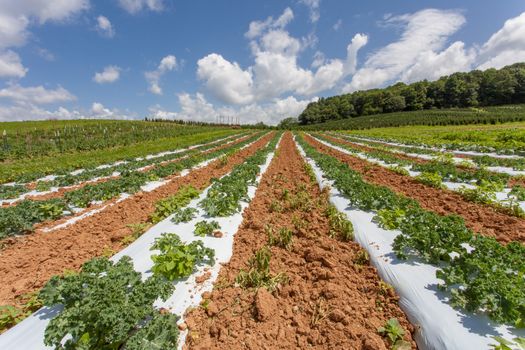 Photo: Mark Stebnicki / Pexels
Exploring Conventional Agriculture: Methods and Modern Realities
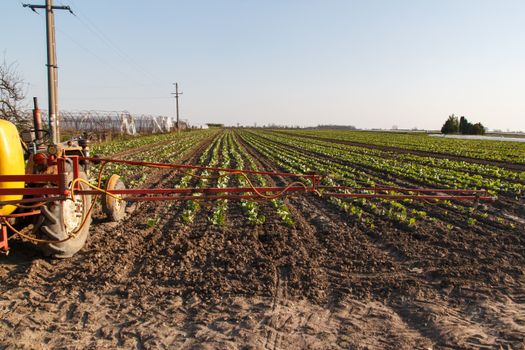 Photo: Aleksander Dumała / Pexels
Health, Environment, and Economic Implications: A Deeper Look
 Photo: ClickerHappy / Pexels
Making Informed Choices: Tips for Navigating Your Grocery Aisle
 Photo: Gustavo Fring / Pexels
Comparison
| Feature | Organic Food | Conventional Food | Key Distinction |
|---|---|---|---|
| Pesticides | Prohibits synthetic pesticides | Allows synthetic pesticides (within MRLs) | Synthetic vs. Natural |
| Fertilizers | Uses natural fertilizers (compost, manure) | Uses synthetic fertilizers | Natural vs. Synthetic |
| GMOs | Prohibits genetically modified organisms | Allows GMOs | Presence of Genetic Modification |
| Antibiotics/Hormones (Animals) | Prohibits for growth promotion; limited therapeutic use | Allows for growth promotion and disease prevention | Use in Animal Agriculture |
| Animal Welfare | Requires outdoor access, organic feed | Varies greatly; often confined operations | Living Conditions |
| Soil Health | Focus on building living soil, biodiversity | Can lead to soil degradation without proper management | Long-term Soil Impact |
| Price | Typically higher cost | Typically lower cost | Economic Factor |
| Certification | USDA certified and regulated | Regulated for safety, not specific farming methods | Regulatory Oversight |
What Readers Say
"Understanding the difference between organic and conventional food has completely changed my grocery habits. I now prioritize organic for certain items, especially fruits and vegetables with thin skins, feeling much better about what I'm feeding my family."
Sarah J. · Austin, TX"This article provided such clear insights into the organic vs. conventional debate. I used to just buy whatever was cheapest, but now I understand the environmental and health implications better. It's helped me make more conscious choices without breaking the bank."
Mark D. · Seattle, WA"After reading this, I started buying organic dairy and eggs, and I've noticed a subtle difference in taste and quality. It's a small change, but knowing the animals were raised without hormones and antibiotics gives me peace of mind."
Emily R. · Boston, MA"The information on the 'Dirty Dozen' and 'Clean Fifteen' was incredibly practical. While I can't afford to buy everything organic, this guide helped me strategically select where to spend my money for the most impact. Very helpful, though I wish organic was more affordable for everyone."
David L. · Denver, CO"As someone concerned about environmental sustainability, this deep dive into the difference between organic and conventional food reinforced my commitment to supporting organic farming practices. It's not just about personal health; it's about the planet."
Jessica M. · Miami, FLFrequently Asked Questions
What is the primary difference between organic and conventional food?
The primary difference lies in the farming and processing methods. Organic food is produced using natural substances and processes, prohibiting synthetic pesticides, herbicides, fertilizers, GMOs, antibiotics, and growth hormones. Conventional food, conversely, often utilizes these synthetic inputs to maximize yield and efficiency. Both are regulated for safety, but with distinct standards regarding allowed substances and practices.
Is organic food always healthier than conventional food?
Not necessarily 'always' healthier, but there are differences. Organic food generally has lower pesticide residues and may have slightly higher levels of certain nutrients like antioxidants, though the nutritional gap is often small and debated. The biggest health advantage often cited is the avoidance of synthetic chemicals and the potential long-term effects of chronic exposure. However, both types of food can be part of a healthy diet, and the overall nutritional value depends more on the food itself (e.g., whole foods vs. processed).
How can I identify certified organic products?
In the United States, look for the USDA Organic seal on product packaging. This seal guarantees that the product has been certified to meet the strict standards of the National Organic Program, meaning it contains at least 95% organic ingredients. Products labeled '100% Organic' contain only organic ingredients, while 'Made with Organic Ingredients' indicates 70-94% organic content.
Why is organic food usually more expensive?
Organic food typically costs more due to several factors: stricter farming practices that are often more labor-intensive (e.g., manual weeding), lower yields compared to conventional methods, higher costs for organic feed and animal care, and the expense of obtaining and maintaining organic certification. Smaller scale operations and specialized supply chains also contribute to higher production and distribution costs, which are passed on to the consumer.
Does choosing organic food truly impact the environment?
Yes, choosing organic food can have a positive environmental impact. Organic farming practices prioritize soil health, biodiversity, and water conservation by avoiding synthetic pesticides and fertilizers, which can pollute waterways and harm beneficial insects. It also emphasizes ecological balance and sustainable land management. While conventional agriculture is making strides in sustainability, organic methods inherently focus on practices that reduce environmental footprint.
Who should prioritize buying organic food?
Individuals with specific health concerns, such as pregnant women, young children, or those with compromised immune systems, might prioritize organic to reduce exposure to pesticide residues. Environmentally conscious consumers also often choose organic to support sustainable farming practices. For budget-conscious shoppers, prioritizing organic for the 'Dirty Dozen' produce items and frequently consumed animal products can be a strategic approach.
Are there any risks associated with conventional food?
The main concern with conventional food often revolves around pesticide residues and the use of antibiotics and hormones in animal agriculture. While regulatory bodies set strict maximum residue limits to ensure food safety, some individuals worry about chronic, low-level exposure to these substances. Concerns about antibiotic resistance from agricultural use are also frequently raised. However, conventional food is generally considered safe for consumption by regulatory bodies worldwide.
What are the emerging trends in food production that bridge the gap between organic and conventional?
Emerging trends include 'regenerative agriculture,' which focuses on soil health and carbon sequestration, often incorporating organic principles but without strict organic certification. 'Integrated Pest Management' (IPM) in conventional farming aims to reduce pesticide use by employing biological controls and other non-chemical methods. There's also a growing interest in 'local' and 'sustainable' certifications that may not be fully organic but emphasize environmentally friendly practices, offering consumers more nuanced choices beyond the strict organic/conventional binary.
Armed with a comprehensive understanding of the difference between organic and conventional food, you are now empowered to make choices that align with your health goals, environmental values, and budget. Explore your options, read labels carefully, and choose wisely to support a sustainable and healthy food system for yourself and future generations.