Easy Weeknight Meal Ideas Kids Will Actually Love
June 15, 2026 15 min read 3,002 words
Transform chaotic weeknights into joyful family dinners with these simple, delicious, and kid-approved recipes.
Get Dinner Done!
The Ultimate Guide to Quick & Healthy Kid-Friendly Dinner Recipes
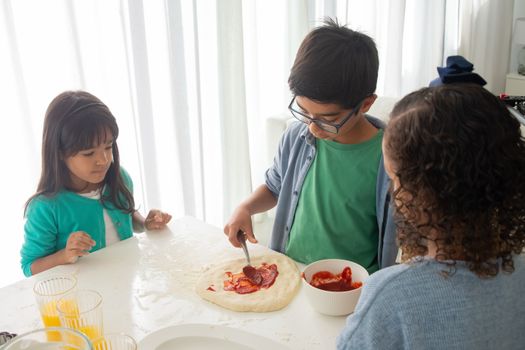 Photo: Kampus Production / Pexels
As parents, we've all been there: the clock ticks past 5 PM, hunger pangs start, and the dread of figuring out "what's for dinner?" sets in. The challenge amplifies when you have picky eaters or multiple activity schedules to juggle. The good news is that creating delicious, nutritious, and easy weeknight meal ideas kids will devour doesn't have to be a Herculean task. This comprehensive guide is designed to empower you with strategies and recipes that will transform your dinner routine from stressful to streamlined, from chaotic to calm. We understand that 'easy' isn't just about cooking time; it's about minimal prep, simple ingredients, and quick cleanup, all while delivering flavors that appeal to the discerning palates of children.
Our focus here is on practical, real-world solutions for busy American families. We're talking about meals that can be on the table in 30 minutes or less, utilize common pantry staples, and often involve minimal dishes. We'll dive into the psychology behind picky eating and how to gently encourage adventurous eating without turning dinner into a battleground. We'll explore the magic of versatile ingredients – those heroes in your fridge and pantry that can be transformed into multiple meals throughout the week, reducing food waste and grocery bills. Think chicken breast that becomes tacos one night and a pasta dish the next, or a batch of roasted vegetables that can be added to eggs, grains, or sandwiches. Furthermore, we'll touch upon the importance of balance: ensuring your children receive the necessary nutrients without feeling like they're eating "diet food." It's about integrating vegetables in clever ways, choosing whole grains, and providing lean proteins that fuel their growing bodies and active minds. By the end of this guide, you'll have a robust toolkit of recipes and strategies, making dinner an anticipated and enjoyable part of your family's day, rather than a nightly chore. Get ready to reclaim your evenings and enjoy more quality time around the table. Let's make dinner fun again for everyone!
Discover more meal planning tips to streamline your kitchen routine and save valuable time.
Top 10 Easy Weeknight Meal Ideas Kids Love (and Parents Approve Of!)
 Photo: Kampus Production / Pexels
Navigating the dinner dilemma with children often means finding that sweet spot between what they’ll eat and what’s genuinely good for them. Here are ten go-to recipes that consistently win rave reviews from kids while meeting parental standards for nutrition and ease:
1. **Sheet Pan Sausage & Veggies:** This is a true weeknight champion. Toss pre-cooked sausage (like chicken or turkey sausage) with chopped bell peppers, broccoli florets, and sweet potato cubes. Drizzle with olive oil, sprinkle with garlic powder and Italian seasoning, then roast at 400°F for 20-25 minutes until tender and slightly caramelized. Minimal cleanup, maximum flavor.
2. **Quick Chicken & Black Bean Tacos:** Sauté ground chicken or shredded rotisserie chicken with taco seasoning. Warm tortillas and set out bowls of toppings: shredded lettuce, diced tomatoes, shredded cheese, black beans, corn, and a dollop of Greek yogurt or sour cream. Kids love assembling their own! It’s interactive and customizable, addressing different preferences easily.
3. **Pasta with Hidden Veggie Sauce:** Blend cooked carrots, zucchini, and spinach into your favorite marinara sauce. Serve with whole wheat pasta and a sprinkle of Parmesan. They’ll never know the difference! This is a fantastic way to boost nutrient intake without a fuss.
4. **Mini Pizzas on English Muffins/Pita:** A classic for a reason. Provide English muffin halves or pita bread, tomato sauce, mozzarella cheese, and various toppings like turkey pepperoni, olives, or finely chopped mushrooms. Bake until cheese is bubbly. Quick, fun, and satisfying.
5. **Peanut Butter Noodles (No-Cook Sauce):** Cook spaghetti or ramen noodles. Whisk together peanut butter, soy sauce, a touch of honey or maple syrup, and a splash of water to thin. Toss with noodles and add shredded carrots or edamame. A super speedy, flavorful option.
6. **Homemade Chicken Nuggets & Sweet Potato Fries:** Cut chicken breast into bite-sized pieces, dip in egg wash, then coat in seasoned breadcrumbs (you can add Parmesan!). Bake alongside sweet potato fries. Healthier than fast food, and kids adore them.
7. **Deconstructed Chicken Stir-Fry:** Sauté chicken pieces and a medley of colorful vegetables (broccoli, carrots, snap peas). Serve with brown rice and a side of soy sauce or a mild stir-fry sauce for dipping. Kids can pick and choose what they eat, increasing acceptance.
8. **Breakfast for Dinner (Brinner!):** Pancakes or waffles with scrambled eggs and fruit. This feels like a treat but can be very balanced. Use whole-grain mixes and load up on berries and bananas for natural sweetness and fiber.
9. **Lentil Soup with Crusty Bread:** A hearty and nutritious option. Use pre-cooked lentils or quick-cooking red lentils. Sauté aromatics, add broth, diced carrots, celery, and tomatoes, then simmer. Serve with a good quality crusty bread for dipping. It’s surprisingly kid-friendly, especially when served with a side of their favorite bread.
10. **Cheesy Chicken & Rice Bake:** Combine cooked chicken, cooked brown rice, a can of cream of mushroom soup (or homemade béchamel), milk, and shredded cheddar cheese in a baking dish. Top with more cheese and bake until bubbly. A comforting and complete meal in one dish.
These recipes are designed for maximum flavor with minimal effort, ensuring that dinner is something to look forward to, not dread. They also provide excellent opportunities for kids to get involved in the kitchen, from washing vegetables to setting the table, fostering a sense of ownership over their meals.
Strategies for Stress-Free Dinners: Beyond the Recipes
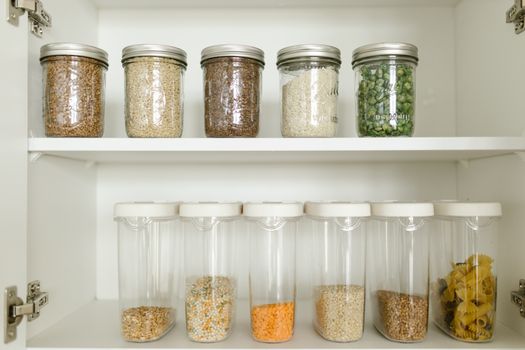 Photo: RDNE Stock project / Pexels
While a collection of delicious recipes is a great start, truly conquering the weeknight dinner challenge involves more than just knowing what to cook. It's about implementing smart strategies that streamline your entire process, from grocery shopping to cleanup. These overarching principles will help you maintain consistency and sanity, even on the busiest days.
**Meal Planning: Your Secret Weapon**
The single most impactful strategy for stress-free dinners is consistent meal planning. Dedicate 15-30 minutes once a week (perhaps on a Sunday) to map out your dinners. Consider your family's schedule, what ingredients you already have, and what's on sale at the grocery store. Having a plan eliminates the daily "what's for dinner?" scramble and drastically reduces impulse buys and food waste. When planning, think about themes (Meatless Monday, Taco Tuesday) or cooking methods (Sheet Pan Sunday) to make the process easier. Even sketching out a loose plan will make a huge difference. Don't forget to factor in leftovers for lunches or a quick reheat on another night.
**Smart Grocery Shopping & Pantry Stocking**
Once your meal plan is set, create a detailed grocery list. Stick to it! This saves time and money. Beyond weekly fresh produce and proteins, maintain a well-stocked pantry with staples like pasta, rice, canned beans, diced tomatoes, broths, and essential spices. Having these on hand means you can whip up a meal even when your fresh supplies are low. Consider buying versatile ingredients in bulk when they're on sale, such as chicken breasts or ground beef, which can be frozen and used in various dishes. For example, a large pack of chicken can be divided for stir-fries, tacos, and baked dishes throughout the week.
Learn how to make your pantry work for you with these smart stocking tips.
**Prep Ahead & Batch Cooking**
"Mise en place" – everything in its place – is a chef's mantra for a reason. On a less hectic day (like the weekend), spend an hour or two on meal prep. This could involve:
* Chopping vegetables (onions, peppers, carrots) for multiple meals.
* Washing and tearing lettuce for salads.
* Cooking a large batch of grains (rice, quinoa) to use as a base.
* Marinating meats for upcoming dinners.
* Browning ground meat or cooking a whole chicken for shredding.
Batch cooking larger portions of a meal (e.g., a big pot of chili, soup, or lasagna) and freezing half for later is another game-changer. This creates future "ready-made" meals that just need reheating, saving precious time on busy evenings.
**Involve the Kids (Age-Appropriately)**
Children are often more willing to eat meals they've had a hand in preparing. Assign age-appropriate tasks: washing vegetables, stirring ingredients, setting the table, or even choosing a side dish. For younger kids, even simple tasks like sprinkling cheese or tearing lettuce can make them feel like a valuable part of the process. This involvement fosters a sense of ownership and curiosity about food, making them more likely to try new flavors and textures. It also turns cooking into a fun family activity rather than a solitary chore.
**Embrace the Power of One-Pan & One-Pot Meals**
These recipes are culinary miracles for busy parents because they drastically reduce cleanup. Sheet pan dinners, one-pot pasta dishes, and skillet meals cook everything together, meaning fewer dishes to wash. They are typically forgiving, allowing you to easily swap ingredients based on what you have on hand or what your family prefers. The simplicity of these methods means less time scrubbing and more time enjoying your evening.
By integrating these strategies, you're not just cooking individual meals; you're building a sustainable, efficient system that supports your family's health and your sanity. The goal is to make dinner less of a daily struggle and more of a celebrated family ritual.
Common Pitfalls to Avoid & Expert Tips for Picky Eaters
 Photo: www.kaboompics.com / Pexels
Even with the best recipes and strategies, weeknight dinners can present challenges. Understanding common pitfalls and having specific tactics for picky eaters can make all the difference in maintaining a peaceful and nourishing mealtime.
**Common Pitfalls to Avoid:**
* **Over-scheduling:** Trying to cook elaborate meals on nights with extracurricular activities is a recipe for disaster. Be realistic about your time and choose simpler meals for busy evenings.
* **Lack of variety:** Eating the same few meals repeatedly can lead to burnout for both cooks and eaters. While consistency is good, introduce new (but still easy) meals regularly to keep things interesting.
* **Ignoring portion control:** Cooking too much or too little can lead to waste or insufficient food. Learn to gauge appropriate portions for your family.
* **Not having a backup plan:** Sometimes, despite your best intentions, a meal plan falls apart. Have a few quick, no-cook backup meals in mind (e.g., scrambled eggs and toast, quesadillas, frozen pizza) for those emergency nights.
* **Making separate meals:** Catering to every individual preference by cooking multiple different meals is a fast track to exhaustion. Offer components or slight modifications, but generally aim for one main meal.
**Expert Tips for Picky Eaters:**
* **"Deconstructed" Meals:** If your child dislikes certain ingredients mixed in, serve components separately. For example, instead of a casserole, offer cooked chicken, rice, and steamed broccoli on the same plate. This allows them to choose what and how much they eat.
* **Involve Them in the Process:** As mentioned earlier, children are more likely to eat food they helped prepare. Let them wash veggies, stir ingredients, or even help choose recipes from a pre-approved list.
* **Dip It!:** Dips can be a game-changer. Offer healthy dips like hummus, guacamole, Greek yogurt ranch, or even a mild cheese sauce with vegetables or proteins. Sometimes, the novelty of dipping is enough to encourage a taste.
* **"Sneak" in Veggies (Sometimes):** While transparency is generally good, blending vegetables into sauces, smoothies, or baked goods can be effective. Think pureed carrots in pasta sauce, grated zucchini in meatballs, or spinach in fruit smoothies. Don't rely on this solely, but use it as a tool.
* **The "One-Bite Rule":** Encourage (but don't force) a single bite of new or disliked foods. The goal isn't to make them love it, but to get them to try it without pressure. Repeated, low-pressure exposure can lead to acceptance over time.
* **Offer Choices (Within Limits):** Instead of "What do you want for dinner?" (which can lead to "nothing"), try "Would you like broccoli or green beans with dinner?" This gives them a sense of control while still guiding them to healthy options.
* **Role Modeling:** Children learn by example. Eat a variety of healthy foods yourself and express enjoyment. Family meals where everyone eats the same food create a positive environment.
* **Don't Make Food a Battle:** Avoid power struggles over food. If a child refuses to eat, remove the plate without comment after a reasonable time. They'll eat when they're hungry. Offering healthy snacks between meals can help manage hunger without creating a mealtime showdown.
* **Patience and Persistence:** It can take multiple exposures (sometimes 10-15 times!) for a child to accept a new food. Keep offering small portions without pressure.
By combining these practical strategies and understanding the nuances of feeding children, you can transform your weeknight dinners into enjoyable, nourishing, and relatively stress-free experiences for the whole family.