Healthy Meal Prep Ideas for Beginners: Your Easy Guide
August 21, 2026 16 min read 3,227 words
Transform your eating habits and simplify your week with straightforward, nutritious meal prep strategies.
Start Prepping Now!
Understanding the Benefits of Beginner Meal Prep
 Photo: Lisa Fotios / Pexels
Embarking on the journey of meal prepping, especially as a beginner, might seem daunting, but the long-term benefits far outweigh the initial learning curve. For those new to this lifestyle, understanding *why* meal prep is so transformative can provide the motivation needed to stick with it. At its core, meal prepping is about intentional eating – taking control of what you consume by planning and preparing your meals in advance. This proactive approach to nutrition offers a cascade of advantages, starting with significant time savings. Imagine no longer scrambling to figure out dinner after a long day, or rushing to pack a lunch in the morning. With meals ready to go, you reclaim valuable minutes that can be spent on other activities, whether it's exercise, hobbies, or simply relaxing. This efficiency is a game-changer for busy individuals and families alike. Beyond time, meal prepping is a powerful tool for financial management. Eating out, ordering takeout, or even making last-minute grocery runs for single ingredients can quickly deplete your budget. By planning your meals and shopping with a specific list, you drastically reduce impulse purchases and food waste, leading to substantial savings over time. Many beginners are surprised at how much extra money they have at the end of the month just by embracing this habit. Perhaps the most compelling benefit, particularly for those seeking a healthier lifestyle, is improved nutrition. When you prep your meals, you have complete control over the ingredients, portion sizes, and cooking methods. This allows you to prioritize whole foods, lean proteins, fresh vegetables, and healthy fats, while simultaneously limiting processed foods, excessive sugars, and unhealthy oils often found in restaurant fare. It makes sticking to dietary goals, whether it's weight management, managing a health condition, or simply eating cleaner, much easier and more consistent. For instance, if you're aiming to increase your vegetable intake, you can strategically incorporate them into every prepped meal. Moreover, meal prepping eliminates decision fatigue around food. The mental energy spent daily on deciding what to eat, what to cook, and what ingredients you need can be surprisingly draining. With prepped meals, those decisions are made once, for the entire week, freeing up mental bandwidth for other important tasks. This reduced stress around food choices can lead to a more peaceful and organized daily routine. It's also a fantastic way to develop healthier eating habits. When nutritious options are readily available, you're less likely to reach for unhealthy snacks or fast food out of hunger or convenience. This consistent exposure to balanced meals helps recalibrate your palate and encourages mindful eating. The initial investment of time on a prep day pays dividends throughout the week in terms of convenience, cost savings, and most importantly, enhanced well-being. For more insights on budget-friendly eating, check out our guide on
eating healthy on a budget. This holistic approach to food management makes meal prepping an invaluable skill for anyone looking to optimize their health and daily routine.
Essential Tools and Beginner-Friendly Meal Prep Recipes
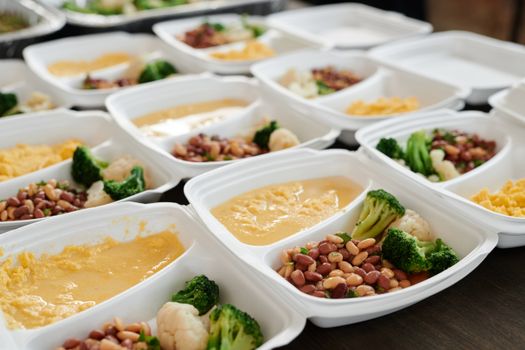 Photo: Julia M Cameron / Pexels
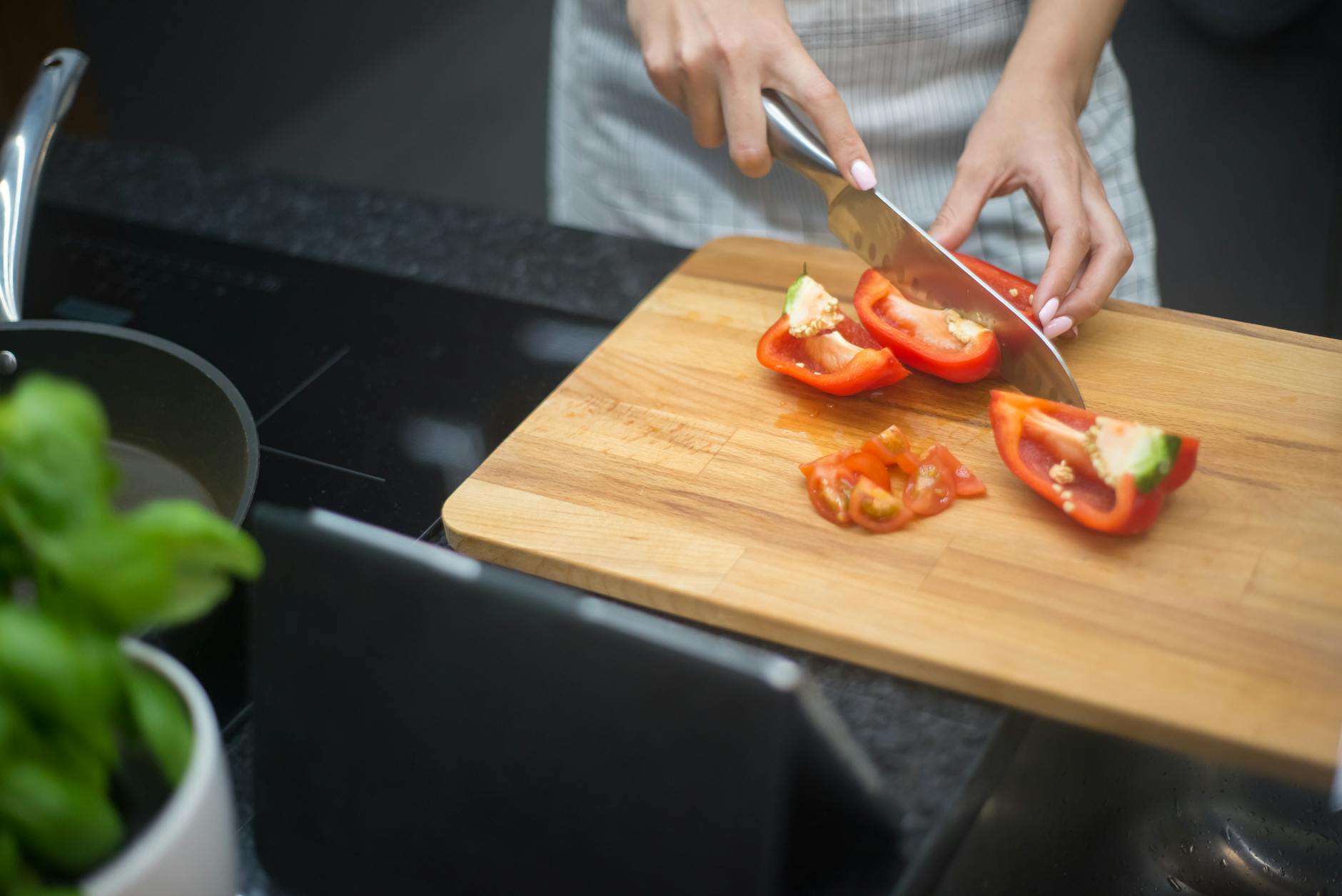
Getting started with healthy meal prep doesn't require a kitchen full of fancy gadgets, but a few essential tools can make the process significantly smoother and more enjoyable for beginners. The most crucial items are good quality airtight containers. Glass containers with snap-on lids are highly recommended as they are durable, microwave-safe, oven-safe (without lids), and don't absorb food odors or stains like some plastic alternatives. Having a variety of sizes allows for different portion needs and ingredient storage. Next, a sharp chef's knife and a sturdy cutting board are non-negotiable. Efficient chopping and dicing are fundamental to speeding up prep time. Investing in a good quality knife will not only make the task easier but also safer. A large sheet pan or two is also incredibly versatile for roasting vegetables, proteins, or even baking entire meals, making clean-up a breeze. Don't forget a large pot for cooking grains like quinoa or rice, and a reliable skillet for sautéing. Finally, measuring cups and spoons are essential for accurate portioning and recipe adherence, especially when starting out. While not strictly necessary, an Instant Pot or slow cooker can be a game-changer for hands-off cooking of proteins and stews, further simplifying your prep day.
Now, let's dive into some truly beginner-friendly meal prep ideas that are both healthy and delicious. The key here is simplicity and versatility. You want recipes that don't have too many ingredients, are easy to scale, and can be repurposed if needed.
**Breakfast Ideas:**
* **Overnight Oats:** Combine rolled oats, milk (dairy or non-dairy), chia seeds, and your choice of sweetener (maple syrup, honey). Add toppings like berries, nuts, or a spoonful of nut butter in the morning. Prepare 3-4 jars at once.
* **Hard-Boiled Eggs:** Boil a dozen eggs at the beginning of the week for a quick protein boost. They're perfect on their own, in salads, or as a side.
* **Yogurt Parfaits:** Layer Greek yogurt with granola and mixed berries in individual containers. Keep granola separate until serving to prevent it from getting soggy.
**Lunch & Dinner Ideas (Mix-and-Match Components):**
* **Baked Chicken Breast or Thighs:** Season chicken with salt, pepper, garlic powder, and paprika, then bake at 400°F (200°C) until cooked through. This versatile protein can be shredded for salads, sliced for wraps, or served alongside grains and veggies.
* **Roasted Vegetables:** Chop up hardy vegetables like broccoli, bell peppers, zucchini, carrots, and sweet potatoes. Toss with olive oil, salt, pepper, and herbs, then roast until tender and slightly caramelized. These pair well with any protein.
* **Cooked Grains:** Prepare a large batch of brown rice, quinoa, or farro. These form the base of many healthy meals and can be stored for several days.
* **Lentil Soup or Chili:** A big pot of lentil soup or a simple bean chili is incredibly nutritious, cost-effective, and tastes even better the next day. These can be portioned into individual servings and frozen for later.
* **Sheet Pan Meals:** Combine your protein (chicken, sausage, tofu) and chopped vegetables on a single sheet pan, season, and roast. This is a minimal-effort, minimal-cleanup approach that yields a complete meal. For example, chicken sausage with bell peppers and onions.
**Snack Ideas:**
* **Chopped Veggies with Hummus:** Carrot sticks, cucumber slices, and bell pepper strips are excellent for dipping.
* **Portioned Nuts & Seeds:** Divide a large bag of almonds, walnuts, or pumpkin seeds into small snack bags.
* **Fruit:** Apples, bananas, oranges, and grapes are naturally pre-packaged and require no prep.
When starting, pick one or two recipes from each category and focus on mastering them. Don't try to prep everything all at once. Gradually expand your repertoire as you gain confidence and efficiency. The goal is to build sustainable habits, not to overwhelm yourself.
Strategies for Sustainable Healthy Eating Habits
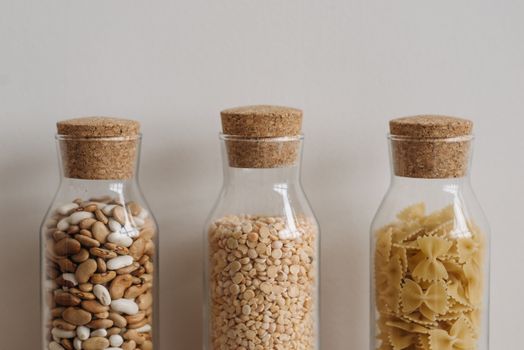 Photo: Pavel Danilyuk / Pexels
Building sustainable healthy eating habits through meal prep goes beyond just cooking. It involves a systematic approach to planning, shopping, and execution that becomes a seamless part of your weekly routine. For beginners, the most crucial strategy is to start small and be realistic. Don't attempt to prep every single meal for the entire week on your first try. Begin by focusing on one meal, such as lunches, which are often the most problematic for healthy choices during a busy workday. Once you've successfully integrated lunch prep into your routine, you can gradually expand to breakfasts or dinners. Overwhelm is the biggest enemy of consistency in meal prep. Another vital strategy is to choose recipes you genuinely enjoy. If you're forcing yourself to eat bland or unappealing food, you're less likely to stick with it. Explore different cuisines, experiment with spices, and find healthy recipes that excite your taste buds. The internet is a treasure trove of healthy recipes, so take advantage of resources like food blogs and healthy cooking websites. Remember that healthy food doesn't have to be boring; it can be vibrant and flavorful. Variety is also key to sustainability. Eating the exact same meal every day can lead to palate fatigue and nutrient deficiencies. While some people thrive on consistency, most benefit from a rotation of 2-3 different meal options per week. This could mean alternating between chicken and fish for protein, or swapping out brown rice for quinoa. Introducing new vegetables or cooking methods can also keep things interesting. This doesn't mean you need a completely new menu every week; rather, have a repertoire of go-to recipes that you rotate through. Smart storage is another cornerstone of sustainable meal prep. Investing in good quality, airtight containers will not only keep your food fresh longer but also make your fridge look organized and appealing. Labeling your containers with the meal and date can be incredibly helpful for tracking freshness, especially when you're preparing multiple dishes. Understanding safe food storage practices is essential to prevent spoilage and ensure food safety. Most prepped meals are best consumed within 3-4 days when refrigerated. For longer storage, consider freezing certain components like cooked grains, stews, or cooked proteins. Batch cooking staples like roasted chicken or cooked quinoa can be frozen in individual portions and then defrosted as needed to assemble fresh meals. Don't be afraid to utilize your freezer! Furthermore, leverage theme nights or simple formulas. For example, a 'Taco Tuesday' meal prep could involve prepping seasoned ground turkey or lentils, chopping toppings like lettuce and tomatoes, and having tortillas ready. A 'Bowl Formula' might involve selecting a grain, a protein, a vegetable, and a healthy sauce, then mixing and matching throughout the week. This structured approach simplifies planning and makes it less daunting. Finally, don't strive for perfection. There will be weeks when you don't prep as much as you intended, or when you deviate from your plan. That's perfectly normal. The goal is progress, not perfection. Acknowledge your efforts, learn from any challenges, and get back on track the following week. This flexible mindset is crucial for long-term adherence. For more comprehensive planning strategies, read our guide on
efficient meal planning techniques.
Common Beginner Meal Prep Mistakes and How to Avoid Them
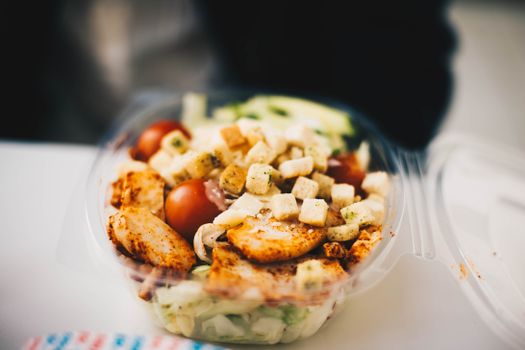 Photo: Kristina Paukshtite / Pexels
Embarking on your meal prep journey is exciting, but it's common for beginners to stumble upon a few pitfalls. Knowing these common mistakes beforehand can help you navigate the process more smoothly and ensure your efforts lead to lasting healthy habits.
**1. Over-Prepping Too Soon:** The most frequent mistake is trying to prep every single meal for the entire week right from the start. This often leads to burnout, wasted food, and discouragement. Instead of tackling all breakfasts, lunches, and dinners, begin with one meal category, like lunches, for 3-4 days. Once you feel comfortable and efficient, gradually expand.
**2. Lack of Variety:** Eating the same chicken and broccoli for five days straight can quickly lead to boredom and a craving for less healthy options. To avoid this, plan for at least 2-3 different meal variations throughout the week. This doesn't mean entirely different recipes; it could be as simple as changing the sauce, adding different spices, or rotating your vegetable choices. For example, one day you might have chicken with roasted sweet potatoes and broccoli, and the next, the same chicken with quinoa and a mixed green salad.
**3. Forgetting About Food Safety and Storage:** Improper storage is a major cause of food spoilage and potential health risks. Make sure your food is cooled quickly after cooking (within two hours) before placing it in airtight containers in the refrigerator. Most prepped meals are good for 3-4 days in the fridge. Beyond that, consider freezing portions. Always use food-grade, airtight containers to maintain freshness and prevent contamination.
**4. Not Planning for Snacks:** Focusing solely on main meals often leaves a gap for unhealthy snacking when hunger strikes between meals. Incorporate healthy, pre-portioned snacks into your prep, such as fruit, nuts, yogurt, or chopped veggies with hummus. Having these readily available prevents you from reaching for processed alternatives.
**5. Underestimating Prep Time:** Many beginners misjudge how long the actual cooking and chopping will take. Give yourself ample time, especially when you're first learning. A typical prep session for a week's worth of lunches might take 2-3 hours. As you get more experienced, you'll become more efficient, but don't rush it initially. Set aside a dedicated block of time on your chosen prep day.
**6. Neglecting Flavor:** Healthy food doesn't have to be bland. A common mistake is skimping on seasoning or relying on repetitive, uninspired flavors. Experiment with different herbs, spices, and homemade sauces (like vinaigrettes, pestos, or simple lemon-tahini dressings) to keep your meals exciting. Marinades are also an excellent way to infuse flavor into proteins.
**7. Buying Too Many Ingredients:** Without a clear plan and grocery list, it's easy to overbuy ingredients, leading to food waste and increased costs. Always create a detailed grocery list based on your meal plan for the week. Stick to the list to avoid impulse purchases and ensure you only buy what you need.
**8. Not Having the Right Tools:** While you don't need a gourmet kitchen, a few basic tools can make a huge difference. Good quality cutting boards, a sharp knife, and reliable airtight containers are essential. Trying to chop vegetables with a dull knife or store food in flimsy containers will only add frustration to the process.
By being aware of these common pitfalls, you can proactively avoid them and set yourself up for a successful and sustainable healthy meal prep routine. Remember, consistency over perfection is the key to long-term success.