How to Store Fresh Produce Longer: Your Ultimate Guide
how to store fresh produce longer

How to Store Fresh Produce Longer: Your Ultimate Guide

Master the art of fresh produce storage to enjoy vibrant fruits and vegetables for weeks, not days.

Start Saving Today!

Key Takeaways

  • ✓ Proper storage can extend produce shelf life by days or even weeks.
  • ✓ Understanding ethylene gas is crucial for separating certain fruits and vegetables.
  • ✓ Washing produce before storage can sometimes accelerate spoilage.
  • ✓ Temperature and humidity are the two most critical factors for produce longevity.

How It Works

1
Assess Your Produce

Before storing, inspect produce for ripeness and any signs of spoilage. Only store healthy, undamaged items.

2
Understand Ethylene Sensitivity

Identify which produce items are ethylene producers and which are sensitive. Store them separately to prevent premature ripening.

3
Choose the Right Environment

Determine if your produce needs refrigeration, a cool dark pantry, or a countertop. Temperature and humidity are key.

4
Utilize Proper Containers

Select appropriate storage containers, such as airtight containers, perforated bags, or even just open air, for optimal preservation.

The Science Behind Extending Produce Shelf Life
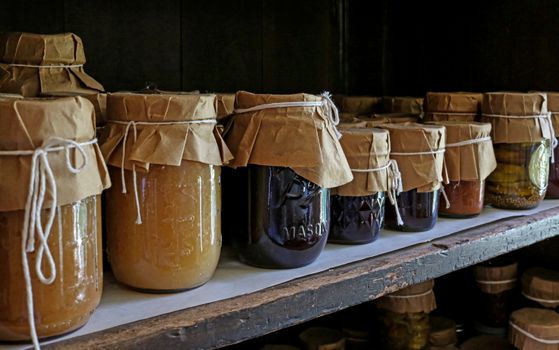
Assorted preserved foods in glass jars on a wooden shelf, showcasing traditional storage methods. Photo: Dale Jackson / Pexels
Understanding the fundamental biological processes that lead to produce spoilage is the first step in mastering how to store fresh produce longer. Fruits and vegetables are living organisms, even after being harvested. They continue to respire, transpire, and produce or react to various gases, primarily ethylene. Respiration is the process where produce takes in oxygen and releases carbon dioxide, using stored sugars for energy. The faster the respiration rate, the quicker the produce will ripen and eventually spoil. Different fruits and vegetables have varying respiration rates; for example, leafy greens and asparagus have high respiration rates, while potatoes and onions have low rates. Transpiration, on the other hand, is the loss of water vapor from the produce. This is why many items wilt and shrivel over time, losing their crispness and succulence. High humidity environments can slow down transpiration, which is why many refrigerators have humidity-controlled crisper drawers. However, too much humidity can also encourage mold and bacterial growth, so a delicate balance is essential. The type of packaging plays a significant role here; perforated bags allow some airflow while retaining moisture, whereas sealed bags can trap too much moisture. Ethylene gas is another critical factor. It's a natural plant hormone produced by certain fruits and vegetables (ethylene producers) that accelerates the ripening process in themselves and other produce items (ethylene sensitive). Storing an apple (a strong ethylene producer) next to a head of lettuce (ethylene sensitive) will cause the lettuce to yellow and wilt much faster than if stored alone. Knowing which items are which is paramount for effective storage. For instance, bananas, avocados, and tomatoes are high ethylene producers, while broccoli, carrots, and leafy greens are highly sensitive. A common mistake is storing all produce together, unknowingly creating a ripening chamber for sensitive items. By segregating these two categories, you can significantly prolong the freshness of your entire produce haul. Furthermore, light exposure, particularly direct sunlight, can also degrade certain nutrients and accelerate spoilage in some produce, making cool, dark storage ideal for items like potatoes and onions. Temperature, as we'll delve into, is perhaps the most universally impactful factor, as it directly influences metabolic rates. Learn more about food spoilage here.

Mastering Temperature and Humidity for Optimal Freshness
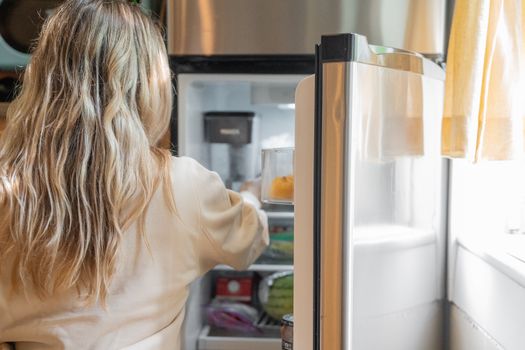
Back view of a blonde woman retrieving food from a refrigerator in a bright kitchen. Photo: Kevin Malik / Pexels
The refrigerator isn't a one-size-fits-all solution for all your produce. In fact, for many items, it's the wrong place entirely, actively contributing to faster spoilage or flavor degradation. To truly understand how to store fresh produce longer, you must grasp the nuanced roles of temperature and humidity for different categories of fruits and vegetables. Broadly, produce can be divided into items that thrive in cold, high-humidity environments (like most leafy greens and root vegetables), those that prefer a cool, dry, dark pantry (such as potatoes and onions), and those that are best kept at room temperature until ripe, then perhaps moved to refrigeration (like avocados and tomatoes). For the refrigerator-bound produce, the crisper drawers are your best friends, but they need to be used correctly. Most refrigerators have two crisper drawers: one for high humidity and one for low humidity. The high-humidity drawer (often labeled 'vegetables' or with a 'closed' vent) is ideal for items prone to wilting, like lettuce, spinach, kale, carrots, and broccoli. The aim is to trap moisture around them, preventing dehydration. The low-humidity drawer (often labeled 'fruits' or with an 'open' vent) allows more air circulation, which is better for items that can rot in overly moist conditions, such as apples, pears, and bell peppers. It also helps dissipate ethylene gas produced by some of these fruits. Then there are the counter-dwellers. Tomatoes, for instance, lose their flavor and develop a mealy texture when refrigerated. They are best kept at room temperature, stem-side down, away from direct sunlight. Bananas, while ripening faster when exposed to ethylene, will turn black and stop ripening if refrigerated too early. Avocados should ripen on the counter and then can be moved to the fridge for a few extra days once perfectly ripe. Stone fruits like peaches and plums also benefit from ripening at room temperature before refrigeration. Lastly, the pantry items. Potatoes and onions should never be stored together, nor should they be refrigerated. Potatoes convert their starches to sugars in cold temperatures, affecting their texture and flavor, and both will sprout faster if stored near each other. They prefer a cool, dark, and dry place with good air circulation. Squash, pumpkins, and sweet potatoes also fall into this category, preferring cooler room temperatures or a pantry. By respecting the specific temperature and humidity needs of each produce item, you can dramatically extend its freshness and maintain its quality, minimizing waste and maximizing flavor. This targeted approach is a cornerstone of effective produce preservation.

Smart Storage Solutions and Preparation Techniques
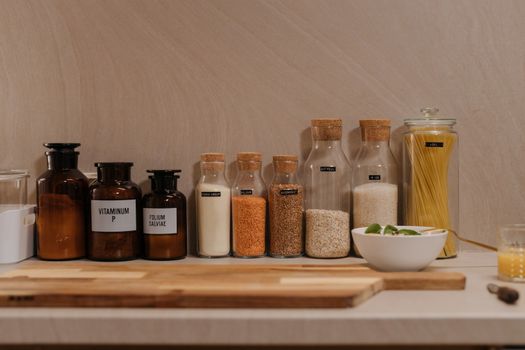
Neatly arranged glass jars holding kitchen staples like pasta and grains on a wooden counter. Photo: cottonbro studio / Pexels
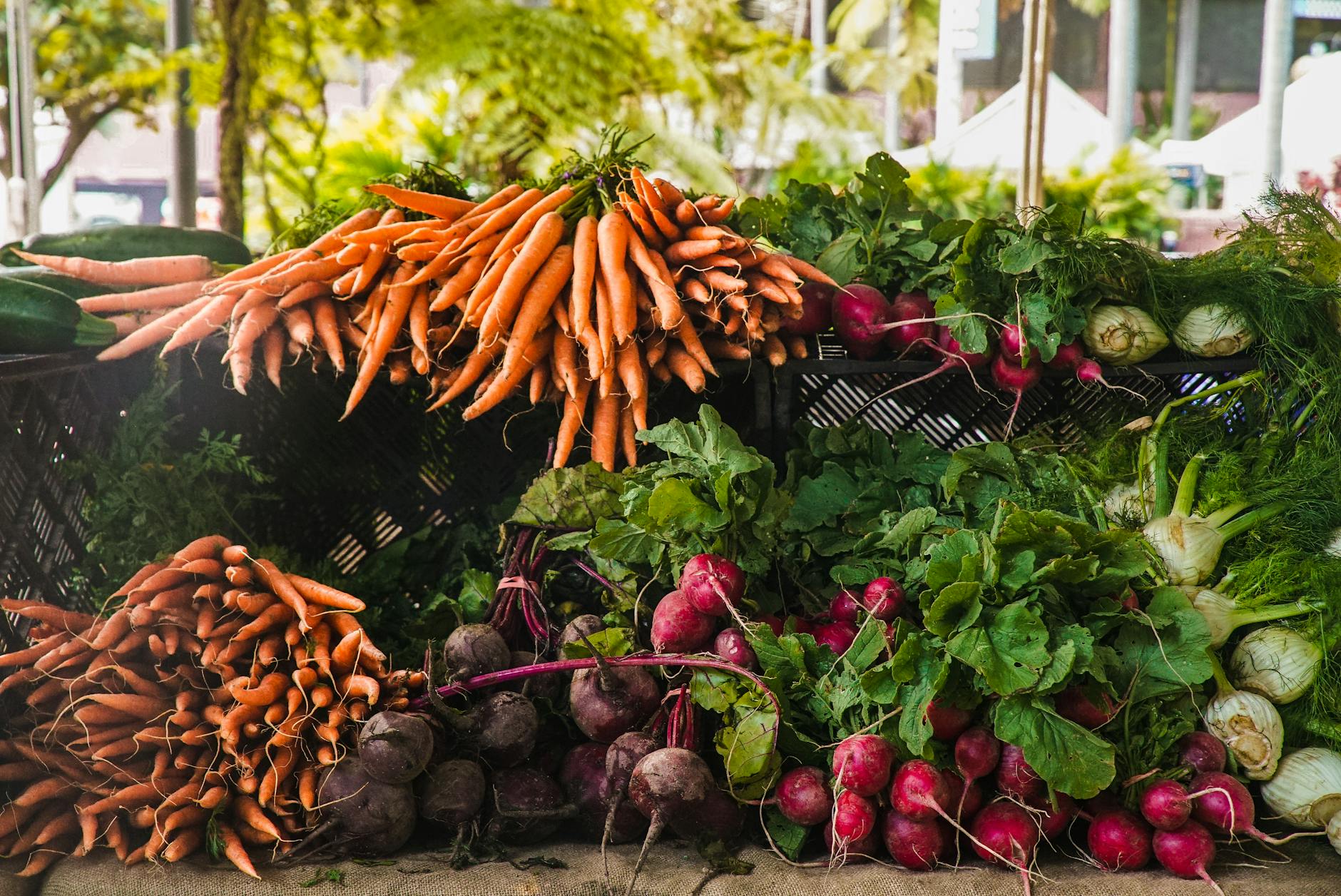
Beyond just temperature and humidity, the way you package and prepare your produce for storage can make a monumental difference in how to store fresh produce longer. It’s not just about where you put it, but how you put it there. Consider the humble herb: delicate and quick to wilt. Many herbs, like parsley, cilantro, and basil, benefit from being treated like a bouquet of flowers. Trim the stems, place them in a glass of water, and cover loosely with a plastic bag before refrigerating. Basil, however, is an exception; it prefers room temperature and will blacken in the fridge. For heartier herbs like rosemary and thyme, wrapping them in a damp paper towel and placing them in an airtight container or bag in the fridge works wonders. Leafy greens, such as lettuce, spinach, and kale, are notorious for wilting quickly. The key here is to keep them moist but not wet. After washing and thoroughly drying (a salad spinner is invaluable here), line an airtight container with paper towels, add the greens, and place another paper towel on top before sealing. The paper towels absorb excess moisture that can lead to spoilage, while the container maintains a humid environment. Change the paper towels if they become too damp. This method can keep greens crisp for over a week. Berries, like strawberries, blueberries, and raspberries, are highly perishable due to their delicate skin and high moisture content. A common mistake is washing them before storage. Moisture encourages mold growth. Instead, store them unwashed in a single layer in a shallow, breathable container lined with paper towels. Some people swear by a quick vinegar bath (one part white vinegar to three parts water) to kill mold spores, followed by thorough drying before storing. This can add several days to their shelf life. Root vegetables like carrots, beets, and radishes, often come with their leafy tops still attached. While attractive, these tops draw moisture and nutrients from the roots, causing them to shrivel faster. Always remove the greens before storing the roots in a high-humidity crisper drawer, ideally in a perforated bag to allow some air circulation while retaining moisture. The greens themselves can be stored separately and used within a day or two. Understanding these specific preparation and packaging techniques for different produce types is a game-changer in reducing food waste and ensuring you always have fresh ingredients on hand. Discover more food preservation techniques.

Common Produce Storage Mistakes and How to Avoid Them
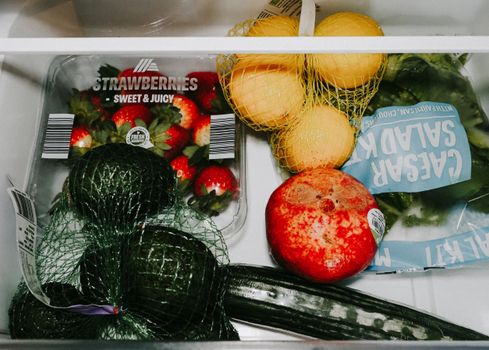
A variety of fresh fruits and vegetables including avocados, lemons, strawberries, and lettuce in a fridge drawer. Photo: Lisa from Pexels / Pexels
Even with the best intentions, it's easy to fall into common traps that shorten the life of your fresh produce. Avoiding these pitfalls is key to truly mastering how to store fresh produce longer and making the most of your groceries. Here are some of the most frequent mistakes and how to rectify them: * **Washing produce too soon:** Unless you plan to eat it immediately, resist the urge to wash all your produce as soon as you get home. Excess moisture is an enemy of freshness, creating a breeding ground for mold and bacteria. Wash items right before you're ready to use them, or if pre-washing, ensure they are thoroughly dried before storing. * **Storing ethylene producers with sensitive produce:** This is perhaps the most common and impactful error. As discussed, fruits like apples, bananas, and avocados release ethylene gas, which dramatically speeds up the ripening and spoilage of ethylene-sensitive items like broccoli, lettuce, and carrots. Always keep these two groups separated. * **Refrigerating everything:** Not all produce belongs in the fridge. Tomatoes lose flavor and texture, potatoes become gritty and sweet, and onions can turn soft and moldy. Understand which items prefer room temperature or a cool, dark pantry. * **Ignoring crisper drawer settings:** Those sliders on your crisper drawers aren't just for show! Use the high-humidity setting for leafy greens and most vegetables (to retain moisture) and the low-humidity setting for fruits (to allow ethylene to escape). * **Storing produce in sealed plastic bags:** While some items benefit from a little moisture retention, completely sealed bags can trap too much humidity, leading to condensation and a rapid onset of rot. Use perforated bags or poke a few holes in sealed bags to allow for some air exchange. * **Keeping potatoes and onions together:** This classic pairing is a recipe for accelerated spoilage. Both release gases that encourage the other to sprout or rot faster. Store them separately in cool, dark, and well-ventilated areas. * **Not inspecting produce before storage:** Don't put a bruised apple or a slightly slimy piece of lettuce in with the healthy produce. One bad apple literally can spoil the bunch, as rot and mold can spread quickly. Remove any damaged or spoiling parts before storing. By consciously avoiding these common errors, you'll find your produce lasting significantly longer, leading to less food waste and more flavorful meals.

Comparison

FeatureBest OptionAlternative 1Alternative 2
Ethylene SeparationSeparate bins/areasEthylene absorber packetsPaper bags for producers
Humidity ControlHigh/Low crisper drawersPerforated produce bagsDamp paper towels
Temperature RangeRefrigeration (35-40°F)Cool, dark pantry (50-60°F)Room temp (65-70°F)
Container TypeAirtight for greensOpen air for onions/potatoesWater bath for herbs

What Readers Say

"This guide completely changed how I handle my groceries. My lettuce stays crisp for over a week now, and I haven't thrown out a single rotten berry since following these tips on how to store fresh produce longer."

Sarah J. · Austin, TX

"I used to be so frustrated with produce going bad quickly. Learning about ethylene and crisper drawer settings from this article has been a game-changer for reducing food waste in my home."

Mark D. · Seattle, WA

"Following the advice on how to store fresh produce longer, I've saved at least $30 a month by not having to replace wilted vegetables. My fridge is more organized, and my food tastes better!"

Emily R. · Chicago, IL

"Most tips were spot on, though basil still gives me trouble even with the room temperature advice. Still, the overall improvement in my produce's shelf life is undeniable."

David P. · Miami, FL

"As a busy mom, I need my produce to last. This guide on how to store fresh produce longer has simplified my meal prep and grocery planning immensely. Highly recommend!"

Jessica L. · Denver, CO

Frequently Asked Questions

What's the single most important tip for how to store fresh produce longer?

The most crucial tip is understanding the difference between ethylene-producing and ethylene-sensitive produce. Storing these two categories separately prevents premature ripening and spoilage, significantly extending the shelf life of many fruits and vegetables in your kitchen.

Is it always better to refrigerate produce?

No, absolutely not. Many fruits and vegetables, like tomatoes, potatoes, onions, and basil, suffer in quality, flavor, or texture when refrigerated. Always check the specific storage recommendations for each item to ensure optimal freshness.

How do I store leafy greens so they don't wilt immediately?

To keep leafy greens crisp, wash and thoroughly dry them (a salad spinner is ideal). Line an airtight container with paper towels, add the greens, and place another paper towel on top before sealing. The paper towels absorb excess moisture, and the container maintains humidity.

Does proper produce storage save money?

Yes, absolutely! By extending the shelf life of your fruits and vegetables, you reduce the amount of food that spoils and needs to be thrown away. This directly translates into less money spent on replacement groceries, leading to significant savings over time.

What's the difference between a high-humidity and low-humidity crisper drawer?

A high-humidity crisper (vent closed) traps moisture, ideal for wilting-prone items like greens and carrots. A low-humidity crisper (vent open) allows air circulation, better for fruits like apples and pears that can rot in overly moist conditions and helps dissipate ethylene gas.

Who benefits most from learning how to store fresh produce longer?

Anyone who buys fresh produce can benefit, but especially those looking to reduce food waste, save money on groceries, improve the flavor and quality of their meals, or simply enjoy fresh ingredients for longer periods between shopping trips.

Are there any health risks associated with improper produce storage?

Yes, improper storage can lead to accelerated bacterial growth and mold, which can cause foodborne illnesses. Consuming spoiled produce can result in digestive upset, and certain molds produce toxins. Always discard produce that shows significant signs of spoilage.

What future trends are emerging in produce storage technology?

Future trends include smart refrigerators with advanced climate control and ethylene absorption, specialized produce storage bags and containers with integrated ventilation, and even edible coatings designed to extend shelf life by reducing respiration and moisture loss. We're moving towards even more precise and effective home preservation methods.

By implementing these expert tips on how to store fresh produce longer, you're not just preserving food; you're preserving flavor, nutrition, and your hard-earned money. Start today and transform your kitchen into a haven of lasting freshness, reducing waste and enjoying vibrant ingredients every single day.

Topics: how to store fresh produce longerfood preservation tipsreduce food wastefresh produce storageextend shelf life
Leo List

DK Escorts LU Escorts AT Escorts SE Escorts FI Escorts CH Escorts DE Escorts HR Escorts IE Escorts GR Escorts CZ Escorts NO Escorts BE Escorts FR Escorts SI Escorts IL Escorts NL Escorts PL Escorts HU Escorts ES Escorts IT Escorts PT Escorts SK Escorts RO Escorts ZA Escorts UY Escorts US Escorts UK Escorts NZ Escorts AU Escorts
Brampton weed
Adultwork EstrelaBet Vai de Bet R7 Bet Betão Galera Bet Rainbet Bet9ja Shop SportyBet BetKing Sisal Loto Foot Hollywoodbets YesPlay Odibets RushBet Jugabet BetWarrior BetCity MSport betPawa Fortebet