
Ultimate Gluten-Free Pasta Brands Review: Your Guide to Delicious Meals
Navigate the world of gluten-free pasta with our expert reviews, ensuring every meal is a delightful, satisfying experience.
Find Your Perfect PastaKey Takeaways
- ✓ Many gluten-free pasta brands now offer excellent taste and texture, closely mimicking traditional wheat pasta.
- ✓ Ingredients vary widely, from rice and corn to legumes and ancient grains, impacting flavor and nutritional profiles.
- ✓ Proper cooking techniques are crucial for optimal gluten-free pasta results, preventing mushiness or crumbling.
- ✓ Beyond celiac disease, many choose gluten-free pasta for dietary preferences or perceived health benefits.
How It Works
Consider what you value most: taste, texture, ingredients, or nutritional content. Different brands excel in different areas, catering to diverse needs.
Familiarize yourself with common gluten-free bases like rice, corn, legumes (chickpea, lentil), and quinoa. Each base offers unique characteristics in terms of flavor and consistency.
Utilize comprehensive reviews and comparison charts to narrow down your choices. Pay attention to feedback on how well the pasta holds up during cooking and its overall mouthfeel.
Purchase a few promising brands and try them with your favorite sauces. Your personal taste preference is the ultimate judge in finding your go-to gluten-free pasta.
Navigating the Gluten-Free Pasta Landscape: What to Look For
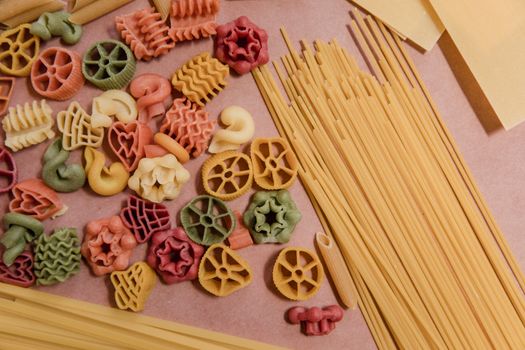 Photo: RDNE Stock project / Pexels
Top Contenders: A Deep Dive into Leading Gluten-Free Pasta Brands
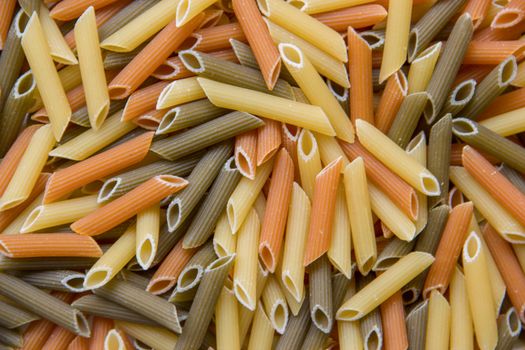 Photo: Jess Ho / Pexels
Cooking Gluten-Free Pasta: Tips for Perfect Al Dente Results
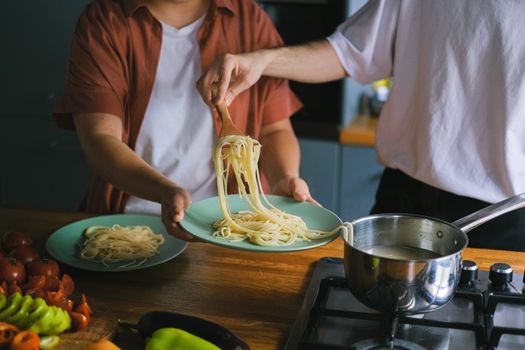 Photo: Anna Shvets / Pexels
Beyond the Plate: Health Benefits and Common Mistakes to Avoid
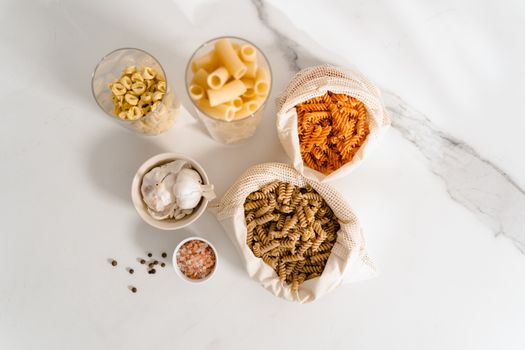 Photo: MART PRODUCTION / Pexels
- Using too small a pot or too little water, leading to clumping and gummy texture.
- Not salting the cooking water sufficiently, resulting in bland pasta.
- Overcooking the pasta; always check a minute or two before the package suggests.
- Undercooking, leaving the pasta hard and unpalatable.
- Rinsing the pasta after draining, which removes starches needed for sauce adhesion.
- Letting the pasta sit undressed for too long, causing it to dry out and stick.
- Not considering the sauce pairing with the pasta's base (e.g., a delicate sauce on a strong-flavored chickpea pasta).
Comparison
| Feature | Barilla (Corn & Rice) | Jovial (Brown Rice) | Banza (Chickpea) |
|---|---|---|---|
| Primary Ingredient | Corn & Rice | Brown Rice | Chickpea |
| Taste Profile | Neutral, mild | Clean, slightly nutty | Earthy, slightly savory |
| Texture (Cooked) | Firm, resilient | Chewy, al dente | Dense, 'noodly' |
| Protein Content | ✓ (Moderate) | ✗ (Lower) | ✓✓ (High) |
| Fiber Content | ✓ (Moderate) | ✗ (Lower) | ✓✓ (High) |
| Holds Shape | Excellent | Excellent | Very Good |
| Best for Sauce Adhesion | Very Good | Excellent | Good |
| Tendency to Clump | Low | Low | Moderate (if not stirred) |
What Readers Say
"I've tried countless gluten-free pasta brands, and Barilla's corn and rice blend is my absolute favorite. It cooks perfectly al dente every time and tastes so much like regular pasta, my family can't even tell the difference. It's a game-changer for our weekly pasta night!"
Sarah J. · Austin, TX"Jovial's brown rice pasta is consistently fantastic. It holds up beautifully with any sauce, from a simple marinara to a rich pesto. The texture is spot-on, and it never gets gummy. Highly recommend for anyone serious about good gluten-free pasta."
Mark D. · Seattle, WA"Banza chickpea pasta has completely transformed my approach to healthy eating. I can enjoy a satisfying pasta dish that's packed with protein and fiber, helping me feel full and energized. It's become a staple in my pantry for quick and nutritious meals."
Emily R. · Denver, CO"Tolerant's red lentil pasta is a solid choice, especially if you're looking for a healthier alternative. The texture is a bit different from wheat pasta, but it's pleasant and cooks quickly. It pairs well with robust sauces, though I wouldn't use it for delicate cream sauces."
David L. · Miami, FL"As someone with celiac disease, finding a reliable gluten-free pasta was a struggle. Le Veneziane corn pasta is light, flavorful, and incredibly versatile. It's my go-to for everything from simple buttered noodles to elaborate baked ziti. Truly a lifesaver!"
Jessica M. · Chicago, ILFrequently Asked Questions
What is the best gluten-free pasta brand for taste and texture?
While taste is subjective, brands like Barilla (Corn & Rice blend), Jovial (Brown Rice), and Le Veneziane (Corn) consistently receive high marks for their ability to closely mimic the taste and texture of traditional wheat pasta. They tend to hold their shape well and offer a pleasant al dente bite, making them excellent choices for a wide range of dishes.
Does gluten-free pasta get mushy easily?
Older generations of gluten-free pasta were prone to mushiness, but modern brands have made significant improvements. With proper cooking techniques—using plenty of salted boiling water, stirring frequently, and checking for doneness a minute or two before package instructions—you can achieve a perfect al dente texture that resists mushiness. Avoid overcooking at all costs.
How do I prevent gluten-free pasta from sticking together?
To prevent sticking, use a very large pot with ample, generously salted boiling water. Stir the pasta frequently, especially in the first few minutes of cooking, to keep the strands or shapes separate. Drain immediately once cooked to al dente and toss directly with your sauce; rinsing is generally not recommended as it removes beneficial starches.
Is gluten-free pasta more expensive than regular pasta?
Generally, yes, gluten-free pasta tends to be slightly more expensive than traditional wheat pasta due to specialized ingredients and manufacturing processes. However, prices have become more competitive as demand has grown, and many brands are now widely available at standard grocery stores, making them more accessible than ever.
What's the difference between rice, corn, and legume-based gluten-free pastas?
Rice-based pastas (brown or white) are typically neutral in flavor and offer a texture closest to wheat, though they can be delicate. Corn-based pastas have a slightly sweeter taste and firmer texture. Legume-based pastas (chickpea, lentil) are high in protein and fiber, with a denser, earthier flavor and a chewier texture, making them very nutritious.
Who should consider eating gluten-free pasta?
Gluten-free pasta is essential for individuals with celiac disease or non-celiac gluten sensitivity, as it allows them to enjoy pasta without adverse health effects. Beyond medical necessity, many people choose gluten-free pasta for dietary preferences, seeking options with different nutritional profiles (e.g., higher protein from legumes) or simply exploring alternative grains.
Are there any health risks associated with gluten-free pasta?
For those who need to avoid gluten, gluten-free pasta poses no health risks and is a safe alternative. For others, while typically safe, some highly processed gluten-free options can lack fiber and nutrients found in whole grains. Always check ingredient lists and nutritional information to ensure you're choosing options that align with your health goals.
What are the future trends for gluten-free pasta?
The future of gluten-free pasta points towards even greater innovation in ingredients and texture. Expect to see more blends of ancient grains, vegetable-based pastas for added nutrients, and continued refinement in manufacturing techniques to achieve an even closer resemblance to traditional pasta. Sustainability and organic certifications will also play an increasingly important role.
Ready to transform your gluten-free meals? Dive into our comprehensive gluten-free pasta brands review and discover the perfect pasta that meets your taste, texture, and nutritional needs. Say goodbye to compromise and hello to truly delicious, worry-free pasta dishes today!