Easy Vegetarian Meal Plans for Beginners: Your Ultimate Guide
vegetarian meal plans for beginners

Easy Vegetarian Meal Plans for Beginners: Your Ultimate Guide

Embark on your plant-based journey with confidence and culinary delight, making healthy eating simple and sustainable.

Start Your Journey Now

Key Takeaways

  • ✓ A well-planned vegetarian diet can provide all necessary nutrients.
  • ✓ Gradual transition often leads to greater long-term success for beginners.
  • ✓ Meal planning is crucial for variety and nutrient balance in vegetarian diets.
  • ✓ Legumes, whole grains, nuts, and seeds are key protein sources.

How It Works

1
Understand the Basics

Familiarize yourself with different types of vegetarianism and essential plant-based food groups. This foundational knowledge will empower your choices.

2
Start Small, Build Up

Don't overhaul your diet overnight. Begin by incorporating one or two meatless meals a week and gradually increase as you get comfortable.

3
Master Meal Prep

Allocate time each week to plan your meals and prep ingredients. This saves time, reduces waste, and ensures you always have healthy options available.

4
Experiment and Enjoy

Explore new recipes, spices, and ingredients. The vegetarian world is vast and delicious; find what you love and make cooking an enjoyable experience.

Why Choose Vegetarian Meal Plans for Beginners?
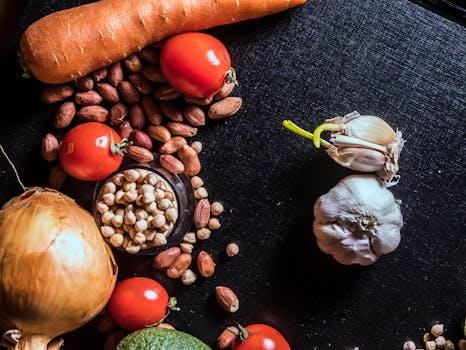
Top view of fresh vegetables and nuts arranged on a dark surface, showcasing raw ingredients. Photo: Mike / Pexels
Embarking on a vegetarian journey can feel daunting, especially when faced with questions like 'What will I eat?' or 'How do I get enough protein?' This is where well-structured vegetarian meal plans for beginners become your culinary compass. The primary reason many individuals opt for a vegetarian lifestyle stems from a blend of health benefits, ethical concerns, and environmental impact. From a health perspective, studies consistently show that a plant-based diet, when properly managed, can lead to lower risks of heart disease, type 2 diabetes, certain cancers, and obesity. The abundance of fiber, vitamins, and minerals found in fruits, vegetables, whole grains, and legumes contributes to improved digestion, sustained energy levels, and a stronger immune system. For beginners, the thought of cutting out meat entirely can seem overwhelming. This is why a gradual approach, guided by a simple meal plan, is often the most successful. Instead of an abrupt change, you can slowly introduce more plant-based meals into your routine, allowing your palate and cooking skills to adapt naturally. Ethical considerations also play a significant role for many. Concerns about animal welfare in industrial farming practices drive individuals to seek alternatives. By choosing vegetarianism, you directly contribute to reducing the demand for animal products, aligning your dietary choices with your values. Furthermore, the environmental benefits are substantial. Animal agriculture is a major contributor to greenhouse gas emissions, deforestation, and water pollution. Shifting to a plant-centric diet can significantly lessen your carbon footprint and promote more sustainable food systems. Our goal here is to demystify the process and provide practical, easy-to-follow vegetarian meal plans for beginners that are both nutritious and delicious. We'll cover everything from essential pantry staples to simple recipe ideas, ensuring your transition is smooth and enjoyable. Remember, this isn't about deprivation; it's about discovering a vibrant world of plant-based flavors and feeling great in your body. It's about empowering you to make informed choices that benefit your health, the animals, and the planet. This guide will serve as your comprehensive resource, addressing common concerns and offering actionable steps to build sustainable eating habits. For more on the health benefits of plant-based eating, check out this article on nutrient-rich diets.

Essential Building Blocks for Beginner Vegetarian Meals
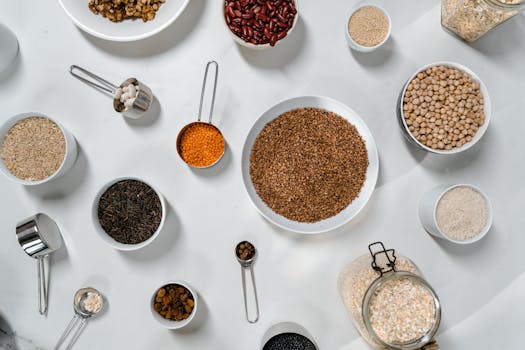
Top view of various grains, legumes, and spices in bowls and jars on a white table. Photo: MART PRODUCTION / Pexels
To successfully create vegetarian meal plans for beginners, understanding the core components of a balanced plant-based diet is paramount. You don't need exotic ingredients to eat well; the foundation lies in readily available, nutrient-dense foods. Let's break down the essential building blocks: **1. Protein Powerhouses:** This is often the biggest concern for new vegetarians. Rest assured, plants offer an abundance of protein. Key sources include: **Legumes:** Lentils, chickpeas, black beans, kidney beans, cannellini beans – versatile and packed with fiber. **Tofu and Tempeh:** Soy-based products that are excellent meat substitutes, absorbing flavors beautifully. **Edamame:** A complete protein, great as a snack or addition to stir-fries. **Nuts and Seeds:** Almonds, walnuts, chia seeds, flax seeds, hemp seeds – not just protein, but healthy fats and fiber too. **Whole Grains:** Quinoa (a complete protein!), oats, brown rice, whole wheat pasta. **2. Colorful Fruits and Vegetables:** Aim for a rainbow on your plate. Different colors indicate different phytonutrients, vitamins, and minerals. Include a variety of leafy greens (spinach, kale), cruciferous vegetables (broccoli, cauliflower), root vegetables (carrots, sweet potatoes), and seasonal fruits. These provide essential vitamins, antioxidants, and dietary fiber, crucial for digestive health and overall well-being. **3. Wholesome Whole Grains:** Beyond protein, whole grains are vital for sustained energy and fiber. Opt for brown rice over white, whole wheat bread and pasta, oats, barley, and farro. They provide complex carbohydrates that fuel your body steadily, preventing energy crashes. **4. Healthy Fats:** Don't shy away from fats; healthy fats are essential for hormone production, nutrient absorption, and satiety. Incorporate avocados, olive oil, nuts, and seeds into your diet. These also contribute to the deliciousness of your meals. **5. Dairy Alternatives (Optional):** If you're transitioning to a fully vegan diet or have dairy sensitivities, explore plant-based milks (almond, soy, oat), yogurts, and cheeses. Ensure they are fortified with calcium and Vitamin D. Many beginners start as ovo-lacto vegetarians, meaning they still consume eggs and dairy, which can simplify the transition. By focusing on these food groups, you can construct satisfying and nutritious vegetarian meals without feeling restricted. The key is variety and balance. Don't be afraid to experiment with different combinations and cooking methods. The more diverse your diet, the more likely you are to get all the nutrients your body needs to thrive on a plant-based diet. Remember, cooking vegetarian doesn't have to be complicated; it's about smart substitutions and embracing the natural goodness of plants.

Crafting Your First Week of Easy Vegetarian Meal Plans
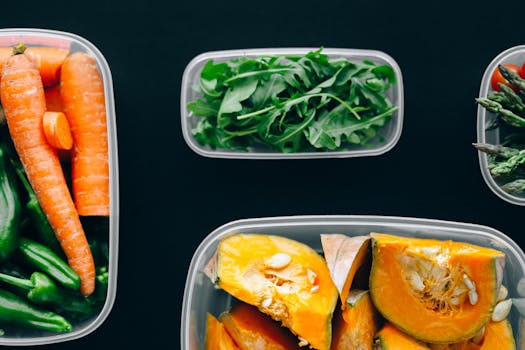
Healthy vegetables stored in plastic containers for fresh and nutritious meals. Photo: Nataliya Vaitkevich / Pexels
Now that you understand the building blocks, let's put them into practice with a sample week of vegetarian meal plans for beginners. This plan emphasizes simplicity, using common ingredients, and minimizing cooking time while ensuring nutritional balance. The goal is to make your first week enjoyable and sustainable, showing you just how easy and delicious plant-based eating can be. **Day 1: Meatless Monday Kickstart** * **Breakfast:** Oatmeal with berries, nuts (almonds or walnuts), and a drizzle of maple syrup. Quick, warm, and filling. * **Lunch:** Large spinach salad with chickpeas, cucumber, bell peppers, and a lemon-tahini dressing. Add some whole-wheat pita bread on the side. * **Dinner:** Lentil soup with crusty whole-grain bread. Prepare a big batch to have leftovers for another day. **Day 2: Tofu & Veggie Power** * **Breakfast:** Whole-wheat toast with avocado and everything bagel seasoning. Add a side of fruit. * **Lunch:** Leftover lentil soup. * **Dinner:** Tofu stir-fry with broccoli, carrots, and snap peas, served over brown rice. Use a pre-made stir-fry sauce for simplicity. **Day 3: Bean Bliss** * **Breakfast:** Greek yogurt (or plant-based alternative) with granola and sliced banana. * **Lunch:** Whole-wheat wrap filled with hummus, shredded carrots, spinach, and black beans. * **Dinner:** Black bean burgers (store-bought or simple homemade patties) on whole-wheat buns with lettuce, tomato, and sweet potato fries. **Day 4: Pasta Perfection** * **Breakfast:** Smoothie with spinach, banana, plant-based milk, and a scoop of protein powder (optional). * **Lunch:** Leftover black bean burger patty (without the bun) on a bed of mixed greens. * **Dinner:** Whole-wheat pasta with marinara sauce, sautéed mushrooms, and zucchini. Top with nutritional yeast for a cheesy flavor. **Day 5: Quinoa & Roasted Veggies** * **Breakfast:** Scrambled eggs (or tofu scramble) with sautéed bell peppers and onions. * **Lunch:** Quinoa salad with cherry tomatoes, cucumber, parsley, and a light vinaigrette. * **Dinner:** Sheet pan roasted vegetables (broccoli, bell peppers, red onion, chickpeas) seasoned with olive oil, garlic powder, and paprika, served with a side of quinoa. **Day 6: Weekend Brunch & Pizza Night** * **Breakfast/Brunch:** Pancakes or waffles with fresh fruit and maple syrup. * **Lunch:** Leftovers or a simple sandwich with vegetarian deli slices and plenty of veggies. * **Dinner:** Homemade vegetarian pizza on a whole-wheat crust with tomato sauce, mozzarella (or vegan cheese), and your favorite vegetable toppings (mushrooms, olives, spinach, peppers). **Day 7: Comfort Food Sunday** * **Breakfast:** Yogurt parfait with layers of yogurt, granola, and mixed berries. * **Lunch:** Large bowl of leftover pizza or a hearty salad. * **Dinner:** Vegetarian chili, simmered with kidney beans, black beans, diced tomatoes, corn, and spices. Serve with cornbread or avocado slices. This sample week demonstrates how varied and satisfying vegetarian meals can be. Feel free to swap meals based on your preferences and what ingredients you have on hand. The key is to get comfortable with the process and discover new favorite dishes. Don't forget to hydrate throughout the day! For more detailed recipe ideas, explore resources like easy weeknight vegetarian meals.

Tips for Success and Common Beginner Mistakes to Avoid
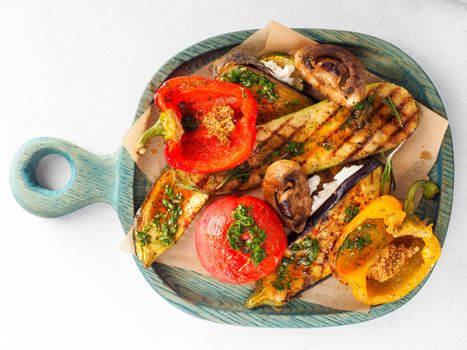
A colorful assortment of grilled vegetables on a wooden board, captured from above. Photo: Rasul Yarichev / Pexels
Transitioning to a vegetarian diet, even with a solid meal plan, comes with its own set of challenges and learning curves. Being aware of common pitfalls and equipping yourself with practical tips can make all the difference in your long-term success and enjoyment of plant-based eating. **Tips for Success:** * **Plan Ahead:** This cannot be stressed enough. Dedicate time each week to plan your meals, create a grocery list, and do some basic food prep (chopping veggies, cooking grains, soaking legumes). This prevents last-minute scramble and unhealthy choices. * **Batch Cook:** Prepare larger quantities of staples like cooked grains (quinoa, brown rice), roasted vegetables, or a big pot of soup/chili. These can be easily incorporated into various meals throughout the week. * **Focus on Flavor:** Vegetarian food is anything but bland! Experiment with herbs, spices, sauces, and marinades. Umami-rich ingredients like mushrooms, nutritional yeast, and soy sauce can add depth. * **Read Labels:** When buying packaged goods, check ingredient lists to ensure they are truly vegetarian. Look out for hidden animal products like gelatin, rennet, or certain broths. * **Stay Hydrated:** Drink plenty of water throughout the day. Fiber-rich plant-based diets require ample hydration for proper digestion. * **Don't Be Afraid to Experiment:** Try new vegetables, fruits, grains, and legumes. The more diverse your diet, the broader your nutrient intake and the more exciting your meals will be. * **Find Your Community:** Connect with other vegetarians online or in person. Sharing recipes, tips, and experiences can be incredibly motivating. **Common Beginner Mistakes to Avoid:** * **Not Eating Enough:** Plant-based foods are often less calorie-dense than meat, so you might need to eat larger portions or more frequently, especially when starting. Listen to your body. * **Lack of Variety:** Sticking to the same few meals can lead to nutrient deficiencies and boredom. Diversify your plate with different food groups and colors. * **Relying on Processed Vegetarian Foods:** While convenient, many vegetarian convenience foods are high in sodium, unhealthy fats, and artificial ingredients. Focus on whole, unprocessed foods primarily. * **Forgetting About Protein:** As mentioned, this is a common concern. Ensure each meal has a good source of plant-based protein to stay full and support muscle health. * **Ignoring Iron and B12:** Vegetarians need to be mindful of these nutrients. Iron can be found in lentils, spinach, fortified cereals, and dark chocolate (pair with Vitamin C for better absorption). Vitamin B12 is primarily found in animal products, so fortified foods (plant milks, nutritional yeast) or supplements are often necessary. * **Expecting Instant Perfection:** There will be learning curves and occasional slip-ups. Be kind to yourself, learn from the experience, and keep moving forward. Progress, not perfection, is the goal. By keeping these tips in mind and actively avoiding these common mistakes, your journey into vegetarian eating will be much smoother and more rewarding. Enjoy the process of discovering new foods and feeling great!

Comparison

FeatureOur Beginner PlanDIY ApproachMeal Kit Delivery
Ease of UseVery EasyModerateVery Easy
Cost EffectivenessHighHighestModerate
Recipe VarietyGoodUnlimitedGood
Nutritional GuidanceProvidedSelf-researchedProvided
Time CommitmentLow-ModerateHighLow

What Readers Say

"These vegetarian meal plans for beginners made the switch so simple! I was overwhelmed before, but this guide broke it down into manageable steps and delicious recipes."

Sarah J. · Austin, TX

"As a total newbie to vegetarianism, I found this resource invaluable. The meal ideas were practical, and I never felt like I was missing out on flavor."

Mark D. · Chicago, IL

"I've lost 5 pounds in the first month following these plans, and I have so much more energy. This guide truly delivers on its promise of easy and delicious vegetarian eating."

Emily R. · Portland, OR

"The plans are great, though I did find myself wanting a bit more spice in some recipes. Easily adjustable, though, and a fantastic starting point for anyone considering vegetarianism."

David L. · Miami, FL

"Even with a busy family, these vegetarian meal plans for beginners fit perfectly into our routine. My kids even loved the black bean burgers!"

Jessica M. · Denver, CO

Frequently Asked Questions

What is the most searched question about vegetarian meal plans for beginners?

Many beginners often ask, 'How do I get enough protein on a vegetarian diet?' The answer is simple: focus on a variety of plant-based protein sources like lentils, beans, tofu, tempeh, quinoa, nuts, and seeds. By incorporating these into your daily meals, you can easily meet your protein needs without relying on meat.

I'm worried about feeling hungry or unsatisfied. How can vegetarian meal plans help?

Vegetarian meal plans for beginners often emphasize fiber-rich foods like whole grains, fruits, vegetables, and legumes. Fiber helps you feel full and satisfied for longer, preventing hunger pangs. Additionally, ensuring adequate protein and healthy fats in each meal contributes to satiety.

How can I easily meal prep for a vegetarian diet?

To easily meal prep, dedicate a few hours one day a week to chop vegetables, cook a batch of grains (like quinoa or brown rice), prepare a large pot of soup or chili, and make a versatile dressing or sauce. Having these components ready makes assembling quick and healthy vegetarian meals throughout the week much simpler.

Are vegetarian meal plans for beginners expensive?

No, vegetarian meal plans can be very cost-effective. Plant-based staples like beans, lentils, rice, and seasonal vegetables are typically cheaper than meat. While some specialty meat substitutes or organic produce can be pricier, focusing on whole, unprocessed foods helps keep costs down significantly.

How do vegetarian meal plans compare to vegan meal plans for beginners?

Vegetarian meal plans for beginners exclude meat, poultry, and fish, but may include dairy, eggs, and honey (lacto-ovo vegetarian). Vegan meal plans are stricter, excluding all animal products and byproducts. Our beginner plans can be easily adapted to be vegan by substituting dairy and eggs with plant-based alternatives.

Who should use vegetarian meal plans for beginners?

Anyone looking to improve their health, explore new foods, reduce their environmental impact, or align their diet with ethical values can benefit from vegetarian meal plans for beginners. They are particularly ideal for those new to plant-based eating who need structure and guidance.

Are there any health risks associated with starting a vegetarian diet?

A well-planned vegetarian diet is generally considered very healthy. The main risks for beginners come from poorly planned diets that lack essential nutrients like Vitamin B12, Iron, Calcium, Vitamin D, Zinc, and Omega-3 fatty acids. Our meal plans focus on balanced nutrition to mitigate these risks, and consulting a doctor or dietitian is always recommended.

What are future trends in vegetarian meal planning?

Future trends in vegetarian meal planning include increased availability of innovative plant-based meat and dairy alternatives, a greater focus on sustainable and locally sourced ingredients, and personalized meal plans tailored to individual dietary needs and preferences. Expect more diverse global flavors and convenient, healthy options.

Ready to transform your plate and your health? Dive into our easy vegetarian meal plans for beginners today and discover a world of delicious, nutritious plant-based eating. Start your journey with confidence and taste the vibrant difference!

Topics: vegetarian meal plans for beginnersplant-based diet starteasy vegetarian recipesbeginner vegetarian cookingmeatless meal prep
Leo List
Brampton weed
Adultwork EstrelaBet Vai de Bet R7 Bet Betão Galera Bet Rainbet Bet9ja Shop SportyBet BetKing Sisal Loto Foot Hollywoodbets YesPlay Odibets RushBet Jugabet BetWarrior BetCity MSport betPawa Fortebet