What Are Superfoods Benefits? Unlocking Your Health Potential
Explore the incredible advantages of superfoods and how they can revolutionize your well-being.
Explore Superfoods NowKey Takeaways
- ✓ Superfoods are nutrient-dense foods, providing maximum nutritional benefits with minimal calories.
- ✓ They are rich in antioxidants, vitamins, minerals, and phytonutrients.
- ✓ Regular consumption can boost immunity, reduce inflammation, and support overall health.
- ✓ Incorporating a variety of superfoods is more effective than focusing on just one.
How It Works
Before integrating superfoods, consider what you aim to achieve, whether it's improved energy, better digestion, or enhanced immunity. This helps tailor your superfood choices.
Start by adding one or two new superfoods to your diet each week. This allows your body to adjust and helps you discover what you enjoy most without overwhelming your system.
Aim for a wide variety of superfoods across different categories like fruits, vegetables, nuts, seeds, and grains. Diversity ensures a broader spectrum of nutrients and benefits.
Incorporate superfoods into your regular meals – add berries to your breakfast, spinach to your smoothie, or quinoa to your dinner. Consistency is key to reaping their full benefits.
Unveiling the Power of Nutrient-Dense Foods
 Photo: Jane T D. / Pexels
Boosting Immunity and Fighting Inflammation
 Photo: Engin Akyurt / Pexels
Enhancing Digestion, Energy, and Longevity
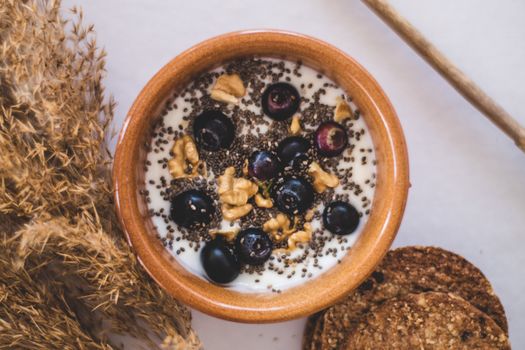 Photo: Adela Cristea / Pexels
Practical Tips for Incorporating Superfoods into Your Diet
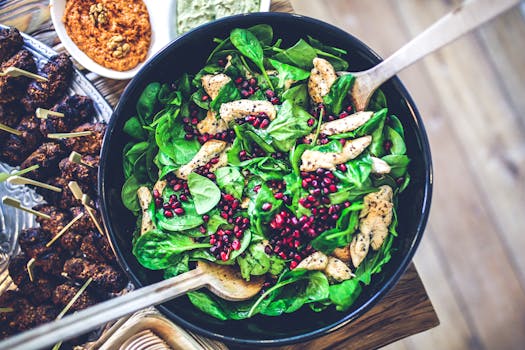 Photo: Karolina Grabowska www.kaboompics.com / Pexels
- Start with breakfast: Add berries, chia seeds, or nuts to your oatmeal, yogurt, or smoothies.
- Snack smart: Opt for apples with a sprinkle of cinnamon, a handful of almonds, or a small bowl of edamame instead of processed snacks.
- Green your meals: Incorporate spinach, kale, or broccoli into every lunch and dinner. They can be sautéed, steamed, or added to soups and stews.
- Spice it up: Use turmeric, ginger, and garlic generously in your cooking for their anti-inflammatory and immune-boosting properties.
- Hydrate with a twist: Add lemon slices, cucumber, or mint to your water for added flavor and nutrients.
- Explore new grains: Replace refined grains with quinoa, farro, or brown rice as side dishes.
- Batch cooking: Prepare larger portions of superfood-rich meals like lentil soup or roasted vegetable medley at the beginning of the week.
Comparison
| Feature | Berries (e.g., Blueberries) | Leafy Greens (e.g., Kale) | Nuts/Seeds (e.g., Chia) | Legumes (e.g., Lentils) |
|---|---|---|---|---|
| Antioxidant Content | High | High | Moderate | Moderate |
| Fiber Content | High | High | Very High | Very High |
| Vitamin C | High | High | Low | Low |
| Omega-3s | Low | Low | High | Low |
| Protein Source | Low | Low | Moderate | High |
| Anti-Inflammatory | ✓ | ✓ | ✓ | ✓ |
| Digestive Health | ✓ | ✓ | ✓ | ✓ |
What Readers Say
"Understanding what are superfoods benefits has completely changed my diet. I started adding spinach to my smoothies and berries to my oatmeal, and I've noticed a significant boost in my energy levels and overall well-being. It's truly transformative!"
Sarah J. · Austin, TX"I was skeptical about the 'superfood' hype, but after consistently incorporating foods like quinoa and flax seeds, I can attest to the benefits. My digestion is better, and I feel more focused throughout the day. It's not a fad, it's real nutrition."
Mark D. · Miami, FL"Since learning what are superfoods benefits, I've managed to reduce my reliance on caffeine. My skin looks healthier, and I haven't caught a cold in months. The impact on my immune system has been truly remarkable and a tangible result."
Emily R. · Denver, CO"While integrating superfoods has definitely improved my energy, it took some effort to find ones I genuinely enjoy. It's not an instant fix, but with a bit of experimentation, the long-term health advantages are definitely worth it."
David L. · Seattle, WA"As a busy professional, I often struggled with healthy eating. Discovering what are superfoods benefits has helped me make smarter choices. Prepping meals with lentils and leafy greens has become a simple way to stay energized and nourished even on my busiest days."
Jessica M. · Chicago, ILFrequently Asked Questions
What are the primary benefits of incorporating superfoods into my diet?
The primary benefits of incorporating superfoods include enhanced immunity, reduced inflammation, improved digestion, increased energy levels, and protection against chronic diseases due to their high concentration of vitamins, minerals, antioxidants, and phytonutrients. They provide comprehensive nutritional support for overall well-being.
Are superfoods really necessary, or can I get enough nutrients from a regular balanced diet?
While a regular balanced diet is crucial, superfoods offer a concentrated dose of specific nutrients that can significantly enhance health beyond basic requirements. They act as nutritional powerhouses, helping to fill potential gaps and provide additional protective compounds that might be less abundant in a standard diet, thus optimizing health.
How can I easily add superfoods to my daily meals without drastic changes?
You can easily add superfoods by starting small. Blend spinach into smoothies, sprinkle chia or flax seeds over yogurt or salads, add berries to oatmeal, or swap white rice for quinoa. Focus on incorporating one or two new superfoods at a time into your existing favorite dishes to make it sustainable.
Are superfoods expensive, and are there affordable options?
Some superfoods can be perceived as expensive, but many affordable options exist. Common superfoods like oats, beans, lentils, spinach, bananas, and frozen berries are budget-friendly. Buying in season, purchasing frozen options, and buying in bulk can also help reduce costs while still reaping the benefits.
How do superfoods compare to multivitamins for nutrient intake?
Superfoods offer nutrients in their natural, whole food matrix, which includes fiber, enzymes, and other synergistic compounds that can enhance absorption and provide a broader range of benefits than isolated nutrients in multivitamins. While multivitamins can fill basic nutritional gaps, superfoods provide a more holistic and bioavailable form of nourishment.
Who should prioritize including superfoods in their diet?
Anyone looking to optimize their health, boost immunity, improve digestion, increase energy, or reduce the risk of chronic diseases can benefit from including superfoods. They are particularly beneficial for individuals with nutrient deficiencies, active lifestyles, or those aiming for long-term wellness and disease prevention.
Are there any risks or side effects associated with consuming superfoods?
When consumed as part of a balanced diet, superfoods generally pose minimal risks. However, overconsumption of certain types (e.g., high oxalate greens for kidney stone sufferers) or individual allergies can occur. It's always best to introduce new foods gradually and consult a healthcare professional if you have specific health conditions or concerns.
What are the emerging trends in superfood research for future health benefits?
Emerging trends in superfood research focus on personalized nutrition, exploring the impact of superfoods on the gut microbiome, and identifying novel compounds with specific health properties. There's also growing interest in sustainable and locally sourced superfoods, and how traditional dietary patterns incorporating these foods contribute to longevity.
Embrace the incredible what are superfoods benefits and embark on a journey to optimal health. Start integrating these nutrient-dense powerhouses into your diet today and feel the transformative difference in your energy, immunity, and overall well-being.