What Are Superfoods Good For? Unlock Your Health Potential
what are superfoods good for

What Are Superfoods Good For? Unlock Your Health Potential

Explore the incredible health benefits of superfoods and how they can transform your well-being.

Start Your Superfood Journey

Key Takeaways

  • ✓ Superfoods are nutrient-dense foods, meaning they provide a high concentration of vitamins, minerals, antioxidants, and other beneficial compounds for relatively few calories.
  • ✓ They are known to support various bodily functions, including immune health, heart health, and cognitive function.
  • ✓ Incorporating a variety of superfoods into your diet can help reduce the risk of chronic diseases and promote overall longevity.
  • ✓ While beneficial, superfoods are not a magic bullet; a balanced diet and healthy lifestyle are crucial for optimal health.

How It Works

1
Understand Nutrient Powerhouses

Learn which foods qualify as 'super' due to their exceptional nutritional profiles. Focus on categories like berries, leafy greens, nuts, and seeds.

2
Integrate Gradually

Don't overhaul your diet overnight. Start by adding one or two superfoods to your daily meals, like a handful of spinach in a smoothie or chia seeds in yogurt.

3
Diversify Your Intake

The key to maximizing benefits is variety. Consume a wide range of superfoods to ensure you're getting a broad spectrum of nutrients and antioxidants.

4
Combine with Healthy Habits

Superfoods work best as part of a holistic approach to health, including regular exercise, adequate sleep, and stress management.

The Science Behind Superfoods: Unpacking Their Nutritional Value
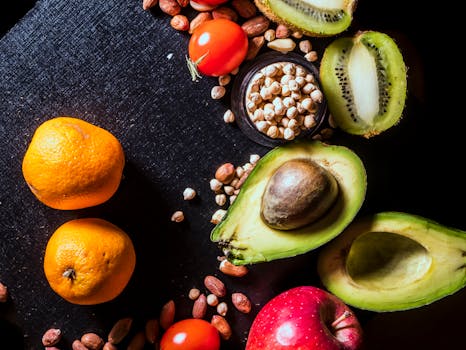
A vibrant arrangement of fruits and nuts on a black background featuring kiwi, avocado, oranges, apple, and peanuts. Photo: Mike / Pexels
The term 'superfood' might sound like a marketing buzzword, but at its core, it refers to foods that are exceptionally rich in compounds beneficial for human health. These aren't just any healthy foods; they are powerhouses packed with vitamins, minerals, antioxidants, fiber, and phytochemicals that work synergistically to support optimal bodily function and prevent disease. Understanding what makes these foods 'super' involves delving into their unique nutritional profiles and the biochemical roles these compounds play. For instance, many superfoods are renowned for their high antioxidant content. Antioxidants, such as anthocyanins found in berries, catechins in green tea, and beta-carotene in sweet potatoes, combat oxidative stress in the body. Oxidative stress, caused by an imbalance between free radicals and antioxidants, can damage cells and DNA, contributing to aging and chronic diseases like heart disease, cancer, and neurodegenerative disorders. By neutralizing these harmful free radicals, antioxidants help protect your cells and maintain cellular integrity, which is fundamental to long-term health. Beyond antioxidants, superfoods are often excellent sources of essential vitamins and minerals that are critical for countless physiological processes. For example, leafy greens like kale and spinach are loaded with Vitamin K, vital for blood clotting and bone health, and Vitamin C, a powerful immune booster. Avocados provide healthy monounsaturated fats, which are crucial for hormone production and nutrient absorption, alongside potassium, essential for blood pressure regulation. Learn more about the benefits of a balanced diet for overall wellness. Furthermore, fiber is another cornerstone of many superfoods. Chia seeds, flaxseeds, and oats are celebrated for their high fiber content, which supports digestive health, helps regulate blood sugar levels, and contributes to satiety, aiding in weight management. This combination of high-density nutrients, protective compounds, and beneficial fiber is what elevates certain foods to superfood status, offering a concentrated dose of health-promoting elements that can significantly impact your well-being. It's not about consuming massive quantities of one type of food, but rather integrating a diverse array of these nutrient-dense options into your regular diet to reap a wide spectrum of benefits.

Boosting Immunity and Fighting Disease with Superfood Power

A flat lay of garlic, ginger, and lemon on a marble surface for natural remedies. Photo: Nataliya Vaitkevich / Pexels
One of the most compelling reasons to incorporate superfoods into your diet is their remarkable ability to bolster your immune system and provide robust defense against various diseases. A strong immune system is your body's primary shield against infections, viruses, and even certain cancers. Many superfoods are rich in specific nutrients known to enhance immune function. Vitamin C, abundantly found in citrus fruits, bell peppers, and acerola cherries, is a classic example. It stimulates the production of white blood cells, which are crucial for fighting off pathogens, and also acts as a potent antioxidant, protecting immune cells from damage. Similarly, zinc, present in nuts, seeds, and legumes, plays a vital role in immune cell development and function, with deficiencies often leading to impaired immunity. Beyond individual vitamins and minerals, the complex array of phytochemicals and antioxidants in superfoods works synergistically to create a powerful anti-inflammatory effect. Chronic inflammation is a silent enemy, contributing to a myriad of health issues including heart disease, diabetes, arthritis, and certain cancers. Foods like turmeric, ginger, and green tea contain compounds with potent anti-inflammatory properties that can help mitigate this harmful process. For instance, curcumin in turmeric has been extensively studied for its ability to reduce inflammation at a molecular level, offering potential benefits for conditions ranging from joint pain to metabolic syndrome. The fiber content in superfoods also plays an indirect yet crucial role in immunity. A healthy gut microbiome, supported by dietary fiber, is intrinsically linked to a robust immune system. Fiber acts as a prebiotic, feeding beneficial gut bacteria, which in turn produce short-chain fatty acids that influence immune cell function and reduce systemic inflammation. Therefore, superfoods like berries, whole grains, and leafy greens not only provide direct immune-boosting nutrients but also foster an environment conducive to a strong, resilient immune response. By regularly consuming these nutrient-dense foods, you're not just eating healthy; you're actively investing in your body's ability to protect itself and thrive against the challenges of modern life, significantly reducing your risk of developing chronic illnesses and enhancing your overall vitality.

Superfoods for Heart Health, Brain Function, and Energy Levels
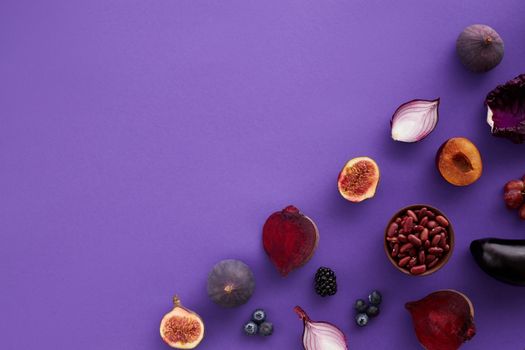
A vibrant arrangement of fruits and vegetables on a purple backdrop, perfect for health and nutrition themes. Photo: Vanessa Loring / Pexels
The impact of superfoods extends far beyond immunity, offering profound benefits for two of our most vital organs: the heart and the brain. Maintaining cardiovascular health is paramount, and many superfoods are natural allies in this endeavor. Foods rich in omega-3 fatty acids, such as flaxseeds, chia seeds, and walnuts, are known to reduce triglyceride levels, lower blood pressure, and decrease the risk of arrhythmias, all contributing to a healthier heart. These healthy fats also help reduce inflammation throughout the body, a key factor in preventing atherosclerosis, the hardening and narrowing of arteries. Berries, with their high anthocyanin content, have been shown to improve endothelial function (the lining of blood vessels) and reduce LDL (bad) cholesterol oxidation. Furthermore, the potassium found in avocados and leafy greens helps balance sodium levels, which is crucial for maintaining healthy blood pressure. When it comes to brain function, superfoods are equally impressive. The brain, a highly metabolic organ, requires a steady supply of nutrients and protection from oxidative stress. Blueberries, often hailed as 'brain berries,' are packed with antioxidants that can improve memory and cognitive function, potentially delaying age-related cognitive decline. Omega-3s, particularly DHA, are fundamental building blocks of brain cells and are essential for learning and memory. Dark chocolate, in moderation, contains flavonoids that can enhance blood flow to the brain, improving focus and concentration. Explore how a healthy diet impacts cognitive performance. Moreover, superfoods can significantly impact your daily energy levels. Instead of relying on processed foods that offer a quick sugar spike followed by a crash, superfoods provide sustained energy release. Complex carbohydrates from whole grains like quinoa and oats, combined with fiber, ensure a slow and steady supply of glucose to your cells, preventing energy fluctuations. Iron-rich foods like spinach and lentils combat fatigue by supporting oxygen transport in the blood. Magnesium, found in nuts, seeds, and leafy greens, plays a critical role in energy production at a cellular level. By nourishing your body with these nutrient-dense options, you're not only protecting your heart and sharpening your mind but also fueling your body effectively, leading to consistent energy, improved mood, and enhanced overall performance throughout your day.

Incorporating Superfoods: Practical Tips and Common Mistakes to Avoid

Delicious bowl of salad with fresh greens and grilled chicken served on a wooden platter. Photo: Valeria Boltneva / Pexels
Successfully integrating superfoods into your daily diet doesn't have to be complicated or expensive. The key is to start small, be consistent, and think creatively. A great tip is to begin by adding one new superfood to your routine each week. For example, blend a handful of spinach into your morning smoothie – you won't even taste it! Sprinkle chia seeds or flaxseeds onto your yogurt, oatmeal, or salad for an omega-3 and fiber boost. Keep a bowl of fresh berries on hand for a quick, antioxidant-rich snack. Roasting vegetables like broccoli, Brussels sprouts, and sweet potatoes brings out their natural sweetness and makes them incredibly delicious. Consider swapping refined grains for whole grains like quinoa or brown rice in your meals. Don't forget the power of spices like turmeric and ginger; they can be added to curries, soups, or even lattes. However, there are common mistakes to avoid. Firstly, don't rely solely on one or two superfoods. The true benefit comes from a diverse intake, ensuring a broad spectrum of nutrients. Secondly, avoid the 'superfood fallacy' – believing that adding a superfood magically negates an otherwise unhealthy diet. Superfoods work best as part of a balanced, whole-food diet. Thirdly, be wary of highly processed superfood powders or supplements that may lack the whole-food benefits or contain added sugars and fillers. Opt for whole, unprocessed forms whenever possible. Lastly, don't overconsume. Even healthy foods should be eaten in moderation as part of a calorie-appropriate diet. Too much of a good thing can still lead to imbalances. By focusing on variety, whole forms, and a balanced approach, you can effectively harness the incredible power of superfoods to enhance your health and vitality without falling into common pitfalls. **Tips for Success:** * **Start Small:** Add one superfood to one meal daily. * **Diversify:** Eat a rainbow of fruits and vegetables. * **Cook at Home:** Control ingredients and maximize nutrient retention. * **Snack Smart:** Replace processed snacks with fruits, nuts, or veggie sticks. * **Hydrate:** Water is essential for nutrient absorption and overall health. **Mistakes to Avoid:** * **Over-reliance on supplements:** Prioritize whole foods. * **Ignoring overall diet:** Superfoods can't fix a poor diet. * **Expecting instant results:** Health is a journey, not a sprint. * **Not reading labels:** Watch for added sugars or unhealthy ingredients in 'superfood' products. * **Lack of variety:** A diverse diet ensures complete nutrition.

Comparison

FeatureBerries (e.g., Blueberries)Leafy Greens (e.g., Spinach)AvocadoChia Seeds
Antioxidant ContentVery HighHighModerateHigh
Fiber ContentHighHighHighVery High
Heart Health Benefits
Brain Health Benefits
Immune Support
Omega-3 Fatty Acids
Vitamin K Source
Healthy Fats

What Readers Say

"Understanding what superfoods are good for has completely changed my diet. I now feel more energetic and less prone to illness. It's been a game-changer for my overall well-being."

Sarah J. · Austin, TX

"This article clearly explained the benefits of superfoods. I've started adding more berries and spinach to my smoothies, and I've noticed a significant improvement in my digestion and energy levels."

Mark D. · Seattle, WA

"After reading this, I made a conscious effort to incorporate more superfoods. My skin looks healthier, and I haven't caught a cold all season! The practical tips were incredibly helpful for starting."

Emily R. · Miami, FL

"While I appreciate the detailed breakdown of what superfoods are good for, it does require a commitment to regular grocery shopping and meal prep. The benefits are clear, but consistency is key."

David L. · Denver, CO

"As a busy mom, I struggled with energy. Learning about superfoods and their impact on sustained energy has helped me fuel my body better. My afternoon slumps are a thing of the past!"

Jessica M. · Chicago, IL

Frequently Asked Questions

What is the primary benefit of incorporating superfoods into my diet?

The primary benefit is a concentrated intake of essential nutrients, antioxidants, and phytochemicals that support overall health, boost immunity, reduce inflammation, and help protect against chronic diseases. They effectively fill nutritional gaps in a standard diet, promoting long-term well-being and vitality.

Are superfoods a substitute for a balanced diet?

No, superfoods are not a substitute for a balanced diet. They are powerful additions that enhance the nutritional value of an already healthy eating pattern. A holistic approach that includes a variety of whole foods, lean proteins, and healthy fats is crucial for optimal health.

How can I easily add superfoods to my daily routine?

Start by adding small amounts to existing meals. Blend spinach into smoothies, sprinkle chia or flax seeds on oatmeal or yogurt, snack on berries or nuts, or swap refined grains for quinoa. Gradually introduce new options to make it a sustainable habit without overwhelming changes.

Are superfoods expensive, and how can I incorporate them on a budget?

While some exotic superfoods can be pricey, many common and affordable options exist. Focus on seasonal fruits and vegetables, frozen berries (often cheaper and equally nutritious), oats, beans, lentils, and nuts. Buying in bulk or on sale can also help manage costs effectively.

How do superfoods compare to regular healthy foods?

While all healthy foods are beneficial, superfoods stand out due to their exceptionally high concentration of specific beneficial compounds per calorie. They offer a more potent nutritional punch, providing a broader range of protective benefits beyond basic sustenance, making them particularly effective health boosters.

Who should specifically focus on consuming superfoods?

While beneficial for everyone, individuals looking to boost their immunity, manage chronic inflammation, improve heart or brain health, increase energy levels, or simply enhance their overall nutritional intake will find superfoods particularly valuable. Athletes and those with specific dietary needs can also benefit greatly.

Are there any risks or side effects associated with eating superfoods?

Generally, eating whole, unprocessed superfoods as part of a balanced diet is very safe and beneficial. However, overconsumption of any single food can lead to imbalances. For specific conditions or allergies, it's always wise to consult a healthcare professional, especially when considering concentrated superfood supplements.

What emerging superfoods or trends should I be aware of?

Emerging trends often highlight ancient grains like teff and fonio, adaptogenic mushrooms (Reishi, Chaga), and sea vegetables like dulse and kelp for their unique nutrient profiles and health benefits. The focus remains on sustainable, nutrient-dense foods that offer comprehensive wellness support.

Now that you understand what superfoods are good for, it's time to take action. Begin your journey towards a healthier, more vibrant you by thoughtfully incorporating these nutritional powerhouses into your daily meals. Your body will thank you for the profound benefits and sustained well-being.

Topics: what are superfoods good forsuperfood benefitsnutrient-dense foodsimmune-boosting foodsanti-inflammatory diet
Leo List
Brampton weed
Adultwork