What is the Mediterranean Diet Food List? Your Ultimate Guide
what is the mediterranean diet food list

What is the Mediterranean Diet Food List? Your Ultimate Guide

Unlock the secrets to a vibrant, healthier life by understanding the core foods of the Mediterranean Diet.

Start Your Journey Now

Key Takeaways

  • ✓ Emphasizes plant-based foods, healthy fats, and lean proteins.
  • ✓ Rich in fruits, vegetables, whole grains, nuts, and olive oil.
  • ✓ Limits red meat, processed foods, and added sugars.
  • ✓ Promotes social eating and physical activity as part of the lifestyle.

How It Works

1
Prioritize Plant-Based Foods

Make fruits, vegetables, whole grains, legumes, and nuts the foundation of your meals. These provide essential fiber, vitamins, and minerals.

2
Embrace Healthy Fats

Incorporate extra virgin olive oil as your primary cooking fat and source of healthy monounsaturated fats. Avocados and fatty fish are also key.

3
Moderate Dairy, Fish, and Poultry

Enjoy fish and seafood at least twice a week, and consume poultry, eggs, and dairy (yogurt, cheese) in moderate portions, less frequently than plant foods.

4
Limit Red Meat & Processed Items

Minimize consumption of red meat, processed foods, sugary drinks, and unhealthy fats. These are consumed rarely or in very small amounts.

Understanding the Core Principles of Mediterranean Eating
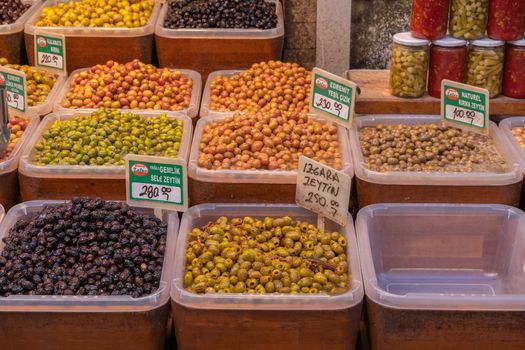
A colorful assortment of olives displayed at a local market in İzmir, Türkiye. Photo: Doğan Alpaslan Demir / Pexels
The Mediterranean Diet isn't just a list of foods; it's a holistic approach to eating and living that reflects the traditional dietary patterns of countries bordering the Mediterranean Sea, such as Greece, Italy, and Spain. For centuries, people in these regions have enjoyed remarkable health and longevity, and their eating habits are a significant contributor. At its heart, this diet champions whole, unprocessed foods, emphasizing fresh, seasonal produce, healthy fats, and lean proteins, all while encouraging mindful eating and social connection. It's less about strict calorie counting and more about embracing a balanced, vibrant way of life. Central to its philosophy is the abundant consumption of plant-based foods. This means your plate will be overflowing with a colorful array of fruits and vegetables, which are rich in antioxidants, vitamins, and dietary fiber. Whole grains, such as oats, brown rice, and whole-wheat pasta, form another cornerstone, providing sustained energy and supporting digestive health. Legumes like lentils, chickpeas, and beans are also heavily featured, serving as excellent sources of plant-based protein and fiber. Nuts and seeds, including almonds, walnuts, and flaxseeds, are enjoyed daily, offering healthy fats, protein, and micronutrients. These foundational elements ensure a nutrient-dense diet that promotes satiety and overall well-being. Perhaps the most iconic component of the Mediterranean Diet is extra virgin olive oil. This liquid gold is not just a cooking fat; it's a staple used generously in dressings, dips, and as a finishing oil. Rich in monounsaturated fatty acids and powerful antioxidants, olive oil is celebrated for its heart-protective benefits. Unlike many Western diets that rely on saturated and trans fats, the Mediterranean approach prioritizes this healthy fat source, contributing significantly to its health-promoting properties. The diet also includes moderate amounts of fish and seafood, particularly fatty fish like salmon, mackerel, and sardines, which are packed with omega-3 fatty acids crucial for brain and heart health. Poultry, eggs, and dairy products like yogurt and cheese are consumed in moderation, typically less frequently than plant-based foods and fish. Red meat is reserved for occasional consumption, treated more as a condiment than a main course. This balanced intake of protein sources ensures adequate nutrition without over-reliance on saturated fats often found in red meats. The emphasis on fresh, unprocessed ingredients naturally limits the intake of added sugars, refined grains, and unhealthy fats commonly found in processed foods. This dietary pattern, combined with regular physical activity and social engagement, creates a powerful recipe for health and longevity. Understanding these core principles is the first step to truly appreciating what is the Mediterranean Diet food list and how it can transform your health. For more insights into healthy eating, explore the benefits of a plant-based diet.

The Essential Mediterranean Diet Food List: What to Stock Up On
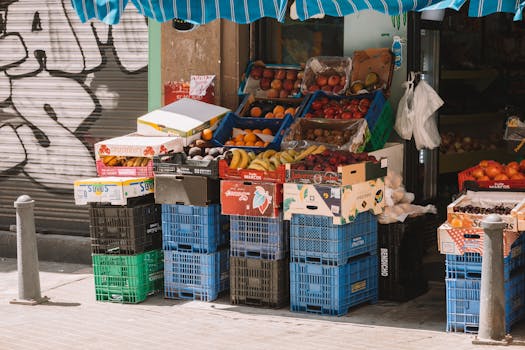
Colorful fruit stand on a sunny Valencia street, showcasing fresh produce in a local market. Photo: Joaquin Carfagna / Pexels
Embarking on the Mediterranean Diet means revamping your pantry and refrigerator to reflect its wholesome principles. The good news is that the food list is incredibly diverse, flavorful, and satisfying, making it easy to adhere to long-term. Let's break down the essential categories you'll want to prioritize for your daily meals and snacks. **Fruits and Vegetables:** These are the stars of the show, consumed in abundance at every meal. Think seasonal and local whenever possible. * **Vegetables:** Spinach, kale, broccoli, bell peppers, tomatoes, cucumbers, zucchini, eggplant, onions, garlic, artichokes, carrots, leafy greens of all kinds. Aim for a wide variety of colors to ensure a broad spectrum of nutrients. * **Fruits:** Apples, oranges, berries (strawberries, blueberries, raspberries), grapes, figs, dates, peaches, pomegranates, melons. Enjoy them fresh as snacks, desserts, or added to meals. **Whole Grains:** These provide complex carbohydrates, fiber, and essential nutrients. * **Breads:** Whole-wheat bread, pita bread, sourdough. * **Pasta:** Whole-wheat pasta. * **Grains:** Brown rice, quinoa, couscous (whole wheat), farro, bulgur, oats (rolled or steel-cut). **Legumes:** Excellent sources of plant-based protein and fiber, making them incredibly filling and nutritious. * Lentils (red, green, brown), chickpeas, black beans, cannellini beans, kidney beans, split peas. **Nuts and Seeds:** Healthy fats, protein, and fiber in a convenient package. Consume in moderation due to calorie density. * **Nuts:** Almonds, walnuts, cashews, pistachios, hazelnuts. * **Seeds:** Chia seeds, flaxseeds, sesame seeds, sunflower seeds, pumpkin seeds. **Healthy Fats:** The cornerstone of the Mediterranean Diet's health benefits. * **Extra Virgin Olive Oil:** Your primary cooking oil and dressing base. Look for cold-pressed, extra virgin varieties. * **Avocados:** Rich in monounsaturated fats and potassium. * **Olives:** A delicious snack or addition to salads. **Fish and Seafood:** Enjoy at least twice a week, prioritizing fatty fish. * Salmon, mackerel, sardines, tuna (light, canned in water or olive oil), anchovies, cod, shrimp, mussels, clams. **Poultry and Eggs:** Consume in moderation, a few times a week. * Chicken (skinless), turkey. * Eggs (whole). **Dairy:** Moderate consumption, often in fermented forms. * Greek yogurt (plain), feta cheese, mozzarella, ricotta. Opt for low-fat or full-fat, unsweetened varieties. **Herbs and Spices:** Flavor your food naturally, reducing the need for salt. * Basil, oregano, thyme, rosemary, parsley, mint, garlic, onion, paprika, cumin, cinnamon. **Beverages:** * Water: The primary beverage. * Coffee and Tea: Unsweetened, in moderation. * Red Wine: In moderation, typically with meals (optional). **Foods to Limit or Avoid:** * Processed meats (sausages, bacon, deli meats). * Refined grains (white bread, white pasta, pastries). * Added sugars (soda, candy, most desserts). * Processed foods (fast food, pre-packaged snacks). * Unhealthy fats (trans fats, hydrogenated oils). By focusing on these categories, you'll naturally create a diet rich in nutrients, flavor, and satisfaction, aligning perfectly with what is the Mediterranean Diet food list.

Crafting Delicious Meals: Integrating the Mediterranean Food List into Your Daily Life
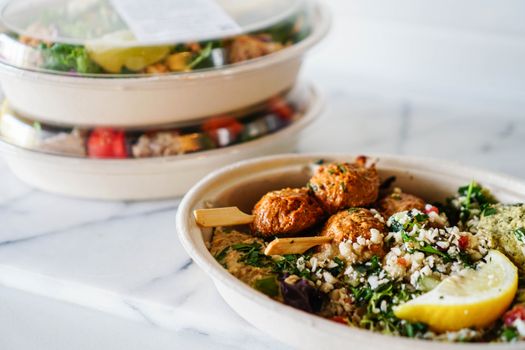
Delicious Mediterranean dish with falafel, hummus, and fresh salad in a takeaway bowl. Photo: Loren Castillo / Pexels
Transitioning to the Mediterranean Diet is not about deprivation; it's about abundance and enjoyment. The beauty of what is the Mediterranean Diet food list lies in its versatility, allowing for endless culinary creativity. Integrating these wholesome ingredients into your daily routine can be simple, delicious, and incredibly satisfying. The key is to shift your mindset from restrictive dieting to embracing a vibrant, flavorful lifestyle. Start your day with a nourishing breakfast. Instead of sugary cereals, opt for Greek yogurt topped with fresh berries, a sprinkle of nuts, and a drizzle of honey. Another excellent choice is oatmeal made with whole oats, mixed with flaxseeds, fruit, and a touch of cinnamon. For a savory option, consider a vegetable omelet made with plenty of spinach, tomatoes, and a splash of olive oil, perhaps served with a slice of whole-wheat toast. These breakfasts provide sustained energy and keep you full until lunch. Lunch and dinner are where the Mediterranean Diet truly shines. Think about building your meals around a large portion of vegetables, a whole grain, and a lean protein. A classic Mediterranean lunch could be a large salad brimming with mixed greens, cucumbers, tomatoes, bell peppers, olives, and feta cheese, dressed with extra virgin olive oil and lemon juice, topped with grilled chicken or chickpeas. For dinner, consider baked salmon with roasted asparagus and quinoa, or a hearty lentil soup served with whole-wheat pita bread. Pasta dishes can certainly be part of the diet, but focus on whole-wheat pasta loaded with vegetable-based sauces made from fresh tomatoes, garlic, basil, and a generous amount of olive oil, perhaps with some added shrimp or white beans. Snacks are also an opportunity to incorporate healthy foods. A handful of almonds, an apple with a spoonful of almond butter, carrots and hummus, or a small bowl of olives are all excellent choices that align with the Mediterranean food list. Hydration is also crucial; make water your primary beverage, and enjoy unsweetened coffee or tea in moderation. If you enjoy wine, a glass of red wine with dinner is traditionally part of the Mediterranean lifestyle, but it's entirely optional and should be consumed responsibly. Cooking at home is a fundamental aspect of the Mediterranean Diet, allowing you to control ingredients and portion sizes. Experiment with different herbs and spices to add flavor without relying on excessive salt or unhealthy sauces. Learn to roast vegetables with olive oil, garlic, and herbs to bring out their natural sweetness. Embrace simple cooking methods that highlight the freshness of your ingredients. The Mediterranean Diet encourages sharing meals with family and friends, turning eating into a social and enjoyable experience, which is just as important as the food itself for overall well-being. For more ideas on healthy cooking, check out easy weeknight meal prep ideas.

Common Mistakes and Smart Tips for Mediterranean Diet Success
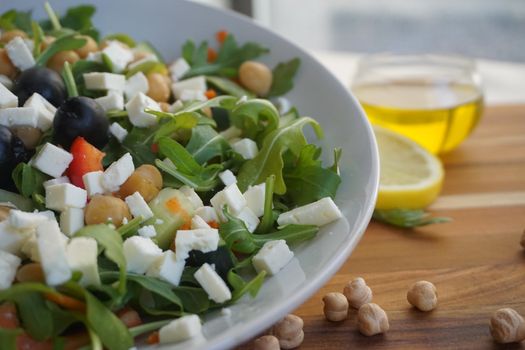
A colorful Mediterranean salad featuring feta, olives, chickpeas, and fresh greens. Photo: Livilla Latini / Pexels
While the Mediterranean Diet is celebrated for its flexibility and deliciousness, there are common pitfalls that can hinder your progress. Being aware of these and implementing smart strategies can ensure your journey to a healthier lifestyle is both enjoyable and sustainable. **Common Mistakes to Avoid:** * **Over-relying on Pasta and Bread:** While whole grains are encouraged, it's easy to fall into the trap of making pasta or bread the main component of every meal. Remember, vegetables should be the largest portion on your plate. * **Excessive Cheese Consumption:** Feta and other cheeses are delicious, but they are meant to be enjoyed in moderation, as a flavorful accent rather than a primary food group. * **Misinterpreting Olive Oil:** Extra virgin olive oil is healthy, but it's still calorie-dense. Using it generously is fine, but drowning your food in it can lead to unintended calorie surplus. Use it for flavor and healthy fats, not as a substitute for mindful portioning. * **Ignoring the Lifestyle Aspect:** The Mediterranean Diet is more than just food; it's about physical activity, social connection, and mindful eating. Neglecting these elements means missing out on the full benefits. * **Not Eating Enough Legumes and Nuts:** These are powerhouse foods for fiber and protein. Skipping them means missing out on crucial nutrients and satiety. * **Drinking Too Much Wine:** While red wine in moderation is part of the tradition, it's not a health requirement. Excessive alcohol consumption negates many of the diet's benefits. **Smart Tips for Success:** 1. **Prioritize Produce:** Make fruits and vegetables the foundation of every meal and snack. Fill at least half your plate with colorful veggies. 2. **Embrace Legumes:** Incorporate beans, lentils, and chickpeas into soups, salads, stews, and even dips like hummus. They are versatile and incredibly nutritious. 3. **Cook at Home:** This gives you control over ingredients, portion sizes, and cooking methods. Experiment with new recipes and flavors. 4. **Snack Smart:** Keep healthy snacks like nuts, seeds, olives, and fresh fruit readily available to avoid reaching for processed alternatives. 5. **Flavor with Herbs and Spices:** Use fresh and dried herbs, garlic, and onions to add depth and flavor to your dishes, reducing the need for excess salt or unhealthy sauces. 6. **Stay Hydrated:** Drink plenty of water throughout the day. Herbal teas are also a great option. 7. **Choose Whole Grains:** Opt for whole-wheat bread, pasta, brown rice, quinoa, and oats over refined grains. 8. **Mindful Eating:** Pay attention to your body's hunger and fullness cues. Eat slowly and savor your meals, ideally in good company. 9. **Get Moving:** Incorporate regular physical activity into your daily routine. It's an integral part of the Mediterranean lifestyle. 10. **Plan Ahead:** Meal planning and grocery shopping lists can help you stay on track and ensure you always have healthy ingredients on hand. By focusing on these tips and avoiding common missteps, you can successfully integrate what is the Mediterranean Diet food list into your life and reap its extensive health benefits.

Comparison

FeatureMediterranean DietStandard American DietKeto Diet
Primary Fat SourceExtra Virgin Olive OilProcessed Vegetable Oils, Saturated FatsAnimal Fats, Coconut Oil
Carbohydrate SourceWhole Grains, Fruits, Vegetables, LegumesRefined Grains, Added SugarsVery Low Carb Vegetables, Nuts
Protein EmphasisFish, Legumes, Poultry (moderate)Red Meat, Processed MeatsHigh Animal Protein
Dairy IntakeModerate (yogurt, cheese)High (milk, cheese, ice cream)Moderate to High (cheese, cream)
Processed FoodsMinimalHighModerate (some processed keto foods)
FocusWhole Foods, Longevity, Heart HealthConvenience, Taste (often unhealthy)Ketosis, Weight Loss
Sustainability✓ (for some)
Fiber ContentHighLowLow to Moderate

What Readers Say

"Understanding what is the Mediterranean Diet food list completely changed my approach to eating. I used to think it was just about olive oil, but learning about the vast array of fruits, vegetables, and legumes has made my meals so much more vibrant and satisfying. I feel more energized than ever!"

Maria G. · Boston, MA

"This guide was incredibly helpful in breaking down the Mediterranean Diet food list. I've been slowly transitioning my pantry, and the focus on whole grains and fish has made a noticeable difference in my digestion and overall well-being. It's not a diet, it's a lifestyle."

David L. · Austin, TX

"I've struggled with finding a sustainable eating plan for years. This article clarified what is the Mediterranean Diet food list so well that I finally feel confident in my food choices. In just three months, I've lost 10 pounds and my cholesterol levels have improved significantly!"

Sophia R. · Seattle, WA

"The Mediterranean Diet food list is fantastic for health, but I sometimes miss red meat. This guide helped me find delicious alternatives and showed me how to enjoy red meat occasionally without derailing my progress. It's a very balanced approach."

James K. · Miami, FL

"As a busy mom, I needed an eating plan that was easy to follow and good for my whole family. This breakdown of what is the Mediterranean Diet food list has made meal planning a breeze. My kids are even eating more vegetables now!"

Elena P. · Denver, CO

Frequently Asked Questions

What are the absolute must-have foods on the Mediterranean Diet food list?

The absolute must-have foods include extra virgin olive oil, a wide variety of fresh fruits and vegetables, whole grains (like oats, brown rice, whole-wheat pasta), legumes (beans, lentils, chickpeas), nuts and seeds, and fish/seafood. These form the foundation of most meals and provide the bulk of the diet's nutritional benefits.

Is the Mediterranean Diet expensive to follow?

No, the Mediterranean Diet does not have to be expensive. By focusing on seasonal produce, affordable legumes, whole grains, and less expensive fish like sardines or canned tuna, it can be very budget-friendly. Cooking at home and reducing processed foods often saves money in the long run.

How often should I eat fish on the Mediterranean Diet?

The Mediterranean Diet recommends eating fish and seafood at least twice a week, with an emphasis on fatty fish rich in omega-3s like salmon, mackerel, and sardines. This provides essential fatty acids beneficial for heart and brain health.

Can I still eat bread and pasta on the Mediterranean Diet?

Yes, bread and pasta are included in the Mediterranean Diet, but the emphasis is on whole-grain varieties. They should be consumed in moderation and ideally as part of a meal rich in vegetables, healthy fats, and lean protein, rather than being the sole focus.

How does red wine fit into the Mediterranean Diet food list?

Red wine is often mentioned as part of the Mediterranean lifestyle, typically consumed in moderation (one glass for women, up to two for men) with meals. However, it is entirely optional, and if you don't drink alcohol, there's no need to start. Water remains the primary beverage.

Who should consider following the Mediterranean Diet?

The Mediterranean Diet is widely recommended for almost anyone looking to improve their overall health, reduce the risk of chronic diseases like heart disease and type 2 diabetes, manage weight, or simply adopt a more balanced and sustainable eating pattern. It's generally safe and beneficial for most adults.

Are there any foods to strictly avoid on the Mediterranean Diet?

While no foods are strictly 'forbidden,' the Mediterranean Diet strongly advises limiting or avoiding highly processed foods, refined grains (like white bread and pasta), added sugars (soda, candy), unhealthy fats (trans fats, hydrogenated oils), and processed meats. These are consumed rarely, if at all.

What are the long-term benefits of adhering to the Mediterranean Diet food list?

Long-term adherence to the Mediterranean Diet is associated with numerous benefits, including reduced risk of heart disease, stroke, type 2 diabetes, certain cancers, and neurodegenerative diseases like Alzheimer's. It also promotes healthy aging, better weight management, and improved overall vitality and longevity.

Ready to transform your health and embrace a lifestyle of vitality? Dive into what is the Mediterranean Diet food list and start building meals that nourish your body and delight your senses. Your journey to a healthier, happier you begins now.

Topics: what is the mediterranean diet food listmediterranean diet foodshealthy eating planlongevity dietmediterranean lifestyle
Leo List
Brampton weed
Adultwork EstrelaBet Vai de Bet R7 Bet Betão Galera Bet Rainbet Bet9ja Shop SportyBet BetKing Sisal Loto Foot Hollywoodbets YesPlay Odibets RushBet Jugabet BetWarrior BetCity MSport betPawa Fortebet